
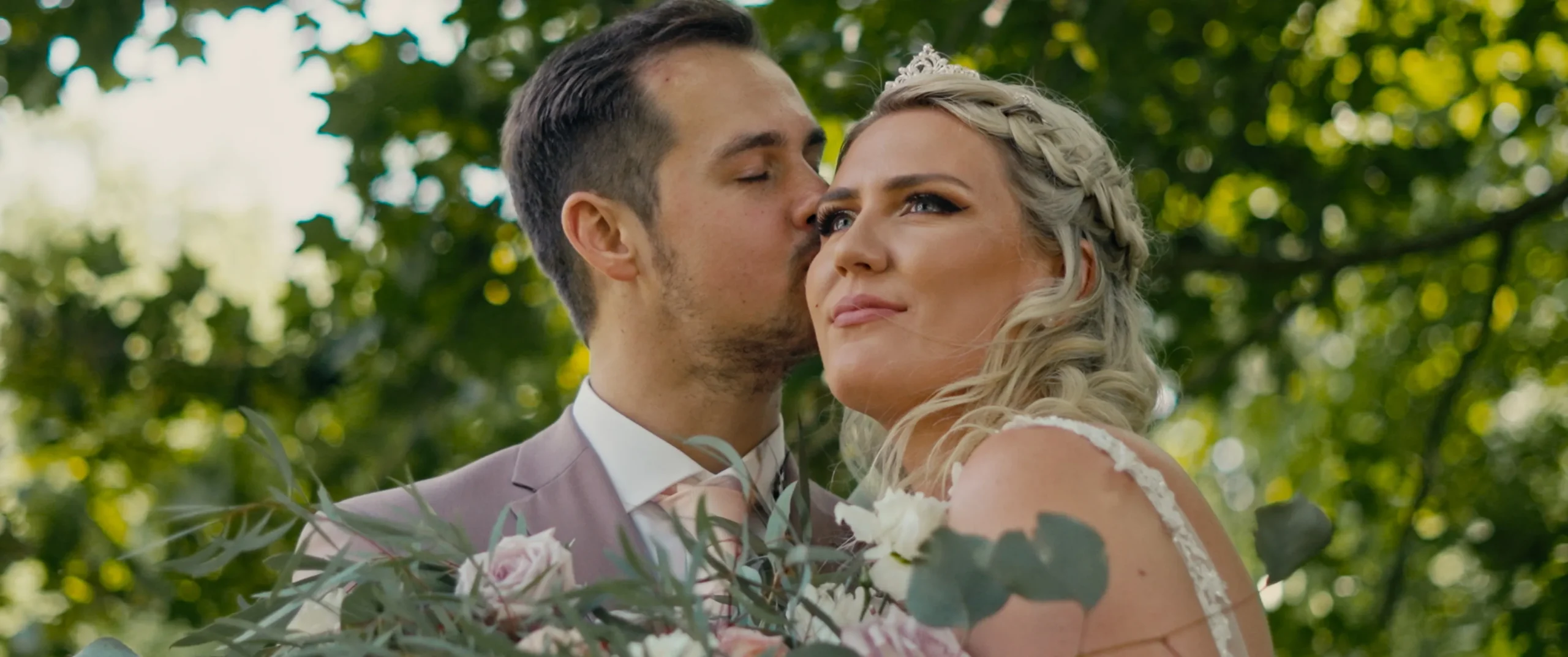
Wedding Videographer Leeds:
Hiring a wedding videographer is often one of the most important decisions couples make, yet it’s also one of the most misunderstood. Photography captures moments, but videography captures emotions, voices, movement, and the atmosphere of your day. Despite this, many couples approach the videography process without enough research, preparation, or clear expectations, which can lead to disappointment later.
Booking a Videographer Too Late
Many couples underestimate how quickly top Wedding Videographer Leeds get booked. Photography is usually the first priority, and videography becomes an afterthought. By the time they begin searching, their preferred videographer is already unavailable.
How to avoid it:
Book your videographer 8–12 months in advance, especially for peak season weddings. Treat video as essential from day one.
Choosing Based on Price Instead of Style
Budget matters, but choosing the cheapest option can backfire. Videography is an art, and editing style varies dramatically from one professional to another. A low price may mean lack of experience, outdated equipment, or unpolished storytelling.
How to avoid it:
Start by identifying the style you love—cinematic, documentary, storytelling, slow-motion, or a mix. Then compare videographers who specialize in that style rather than those who simply fit the lowest budget.
Not Watching Full-Length Sample Films
Highlight reels look beautiful, but they don’t show the consistency of an entire wedding film. Many couples make the mistake of watching only Instagram clips or promo videos, which often hide weak audio, shaky footage, or storytelling gaps.
How to avoid it:
Request at least two full wedding films. This shows how the videographer handles transitions, speeches, ceremony audio, lighting changes, and real-time moments.
Forgetting to Ask About Audio Quality
Beautiful visuals are useless if the vows, speeches, or toasts sound muffled. Audio is one of the most challenging and important parts of wedding videography. Many beginners overlook audio equipment or rely too heavily on camera microphones, which is a major red flag.
How to avoid it:
Ask how the videographer records audio:
- Do they use lapel mics?
- Do they place microphones near speakers?
- Do they record multiple audio backups?
- Quality audio is non-negotiable.
Not Checking the Contract Carefully
Couples often skim through contracts, missing key details like delivery timelines, raw footage policies, number of shooters, and backup procedures. Misunderstandings can lead to frustration after the wedding.
How to avoid it:
- Read every line. Look for clarity on:
- Hours of coverage
- Number of videographers
- Final film length
- Delivery timeframe
- Additional fees
- Cancellation terms
- A solid contract protects both you and the videographer.
Assuming the Videographer and Photographer Will Automatically Work Well Together
Photographers and videographers must share space all day long. If their styles clash—one poses often while the other prefers candid shooting—your footage might suffer. Miscommunication between the two teams can also slow down your timeline.
How to avoid it:
Ask your videographer if they’ve worked with your photographer before. If not, request that they coordinate ahead of the wedding. Collaboration makes a huge difference in how smooth your day feels.
Not Considering the Importance of Lighting
Couples often assume videographers can film in any lighting situation. While professionals do their best, certain conditions—like dark reception halls or harsh midday sun—affect the final quality.
How to avoid it:
Discuss your venue’s lighting with the videographer. Ask how they handle:
- Low-light receptions
- Outdoor ceremonies
- Nighttime events
- DJ lighting that can interfere with cameras
Underestimating the Time Needed for Creative Shots
Some couples want cinematic, movie-like footage but don’t allocate time for the videographer to capture it. Creative shots—like slow-motion walking sequences, couple portraits, or sunset clips—require planning.
How to avoid it:
Work with your planner or videographer to build time into the schedule for creative filming. Even 15–20 minutes during golden hour can elevate your final film dramatically.
Forgetting to Communicate Special Requests
Every couple has unique details they care about—family traditions, surprise dances, meaningful décor, or sentimental moments. Videographers may not know to focus on these unless you tell them.
How to avoid it:
Share a detailed list of important moments and people ahead of the wedding. This ensures nothing meaningful is missed.
Final Thoughts:
Wedding videography is an investment in memories you’ll cherish for decades. Avoiding these common mistakes ensures you hire someone whose style matches your vision, whose professionalism brings peace of mind, and whose creativity transforms your day into a beautifully crafted film. By starting early, communicating clearly, and doing thorough research, you’ll walk away with a wedding video that feels genuine, emotional, and timeless—something you and your loved ones will treasure forever. If you are looking for the best Wedding Videographer Sheffield, this guide help you throughout the process.