
Corporate Event Streaming:
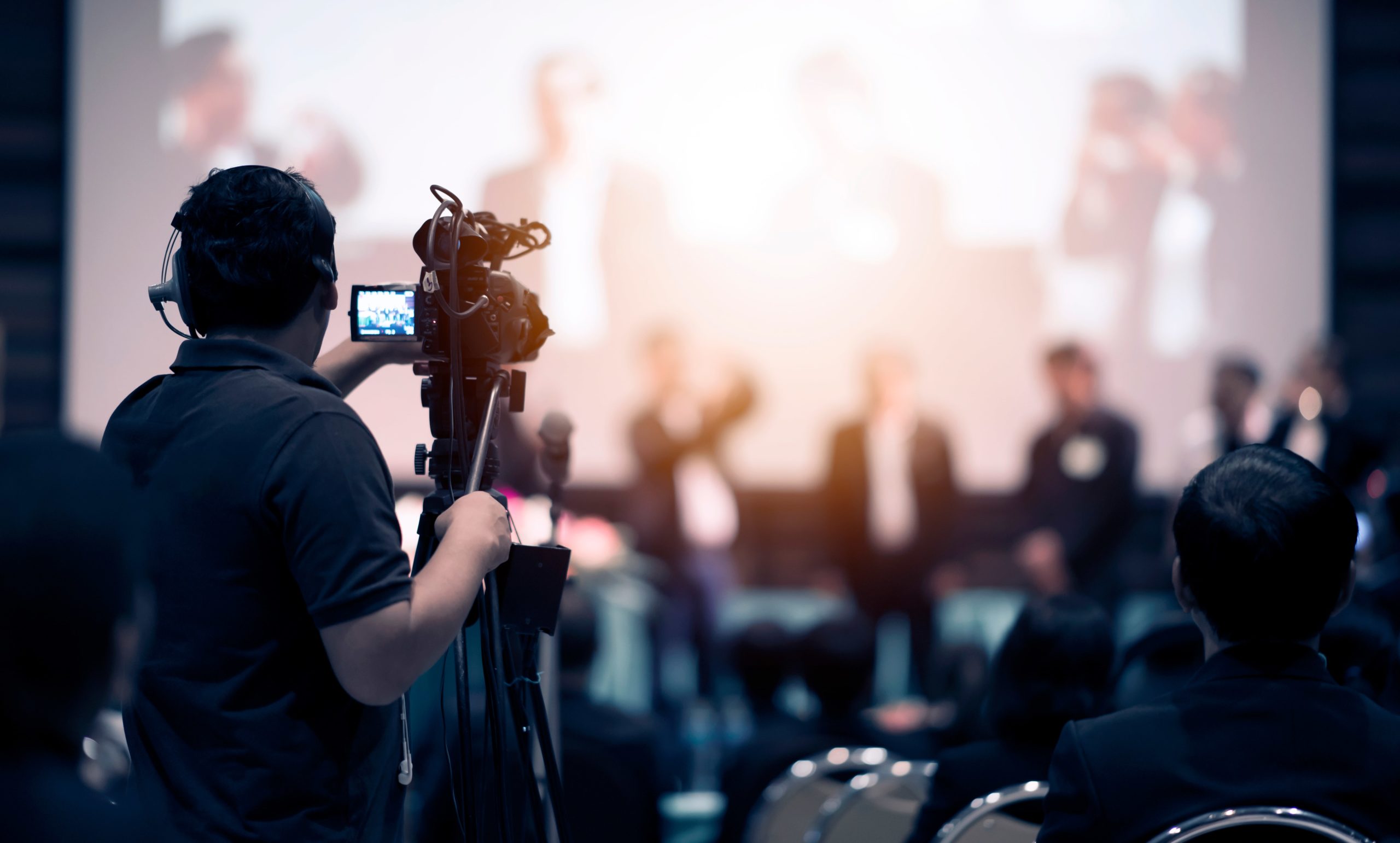
In today’s fast-moving corporate world, the way events are hosted, viewed, and preserved has changed dramatically. Businesses no longer rely only on in-person attendance to communicate with teams, clients, or stakeholders. Instead, they increasingly use digital platforms to reach wider audiences, build stronger engagement, and ensure their message travels far beyond the event hall. This shift has created a unique blend of expertise: the combined role of corporate event streaming professionals and conference videographers. Together, these specialists transform live events into accessible, polished, and highly impactful digital experiences.
Why Corporate Event Streaming Has Become Essential
As companies expand globally, live streaming has become a practical solution to connect people across different regions without the need for extensive travel. Corporate event streaming allows organisations to share real-time information with staff, investors, partners, or customers regardless of geographical limitations. Whether it is a product launch, annual meeting, training session, or internal announcement, streaming ensures that the event reaches everyone who needs to see it.
Businesses also recognise the value of real-time engagement. Streaming platforms now allow interactive features such as Q&A sessions, polls, comments, and integrated chat systems. These elements replicate the feeling of being in the room and keep viewers active throughout the event. Beyond accessibility and engagement, streaming is also cost-effective. It helps reduce venue, travel, accommodation, and logistics expenses, making it a powerful tool for organisations aiming for efficient communication.
The Continued Importance of Professional Conference Videography
Although live streaming is essential, professional videography remains the backbone of corporate event documentation. A conference videographer captures the event with clarity, focus, and artistic direction, ensuring that the final video reflects the brand’s professionalism. Videographers understand lighting, angles, sound quality, and camera movement, allowing them to produce high-definition footage suitable for marketing, internal use, or future replay.
Conference videography also provides long-term value. Once an event concludes, businesses still rely on the recorded content for training, onboarding, press coverage, and promotional material. High-quality video can be repurposed for social media, websites, newsletters, or company archives. This makes videography not only a record of what happened but also a versatile asset that supports ongoing communication goals.
The Powerful Combination of Both Roles
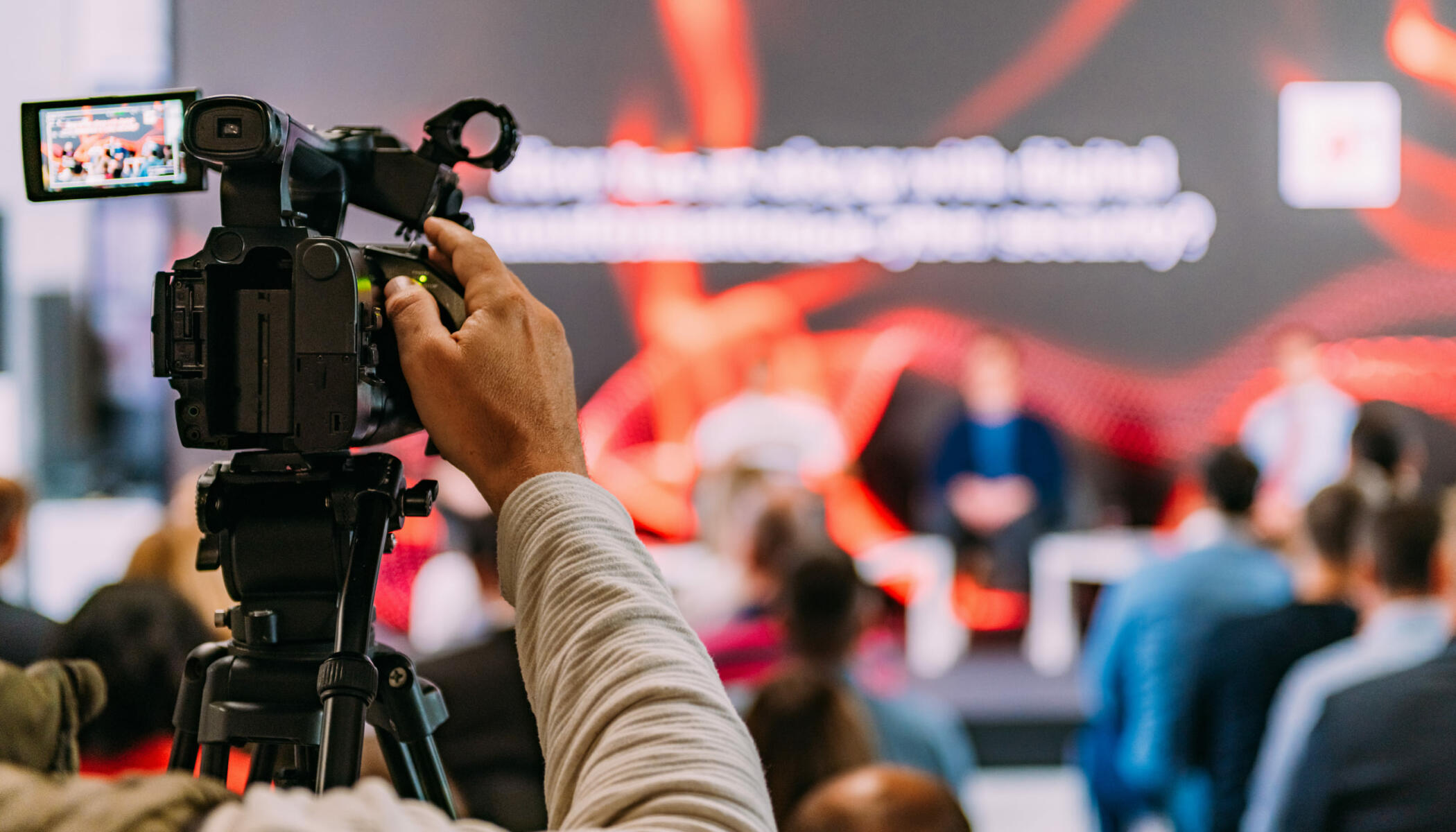
When corporate event streaming and conference videography merge, the result is a seamless experience that benefits both live and future audiences. Streamers ensure real-time delivery, while videographers ensure polished visual storytelling. Working together, they create a complete digital ecosystem around the event, capturing it from multiple angles and distributing it across multiple platforms.
The combined role demands technical expertise, creativity, adaptability, and a strong understanding of corporate objectives. A professional who manages both responsibilities must be skilled in operating live broadcast equipment while simultaneously handling high-quality camera work. They need to monitor audio levels, maintain stable internet connections, handle switching between camera feeds, and capture moments that will matter later in edited videos.
How This Combined Role Enhances Event Quality
Bringing both specialisations under one umbrella significantly elevates the production value of any corporate gathering. A single integrated team or professional ensures consistent visual style, unified planning, and efficient communication. Instead of multiple departments coordinating separately, the workflow becomes streamlined, reducing the chances of technical issues or misaligned goals.
This dual role also allows for better anticipation of event requirements. A person experienced in both streaming and videography knows where to set up cameras for optimal coverage and how to adjust lighting to suit both live viewing and recorded content.
Greater Audience Reach and Enhanced Accessibility
One of the biggest advantages of this combined role is improved accessibility. Remote viewers receive a smooth, clear broadcast because the streaming side is managed professionally, while onsite attendees benefit from high-quality visuals displayed on screens or used for event recaps. After the event, the recorded footage can be edited and redistributed, allowing people who missed the live session to access the content at their convenience.
This accessibility strengthens an organisation’s communication strategy. It helps maintain transparency, supports consistent training, and ensures that important information is available to everyone who needs it.
Creating a Stronger Brand Presence
Events are key opportunities for companies to showcase their identity. When streaming and videography work together, the branding becomes sharper and more cohesive. From introductory graphics to camera framing and final editing, every visual element reinforces the company’s message and values. The polished content produced through this combined effort reflects professionalism and reliability, qualities that influence how audiences perceive the brand.
Looking Ahead at the Future of Corporate Events
As technology continues to evolve, the integration of live streaming and videography will only grow more important. Hybrid events, which combine in-person and online participation, are now a standard practice rather than a temporary trend. Companies will continue to seek professionals who can deliver seamless digital experiences that match the energy of live gatherings.