
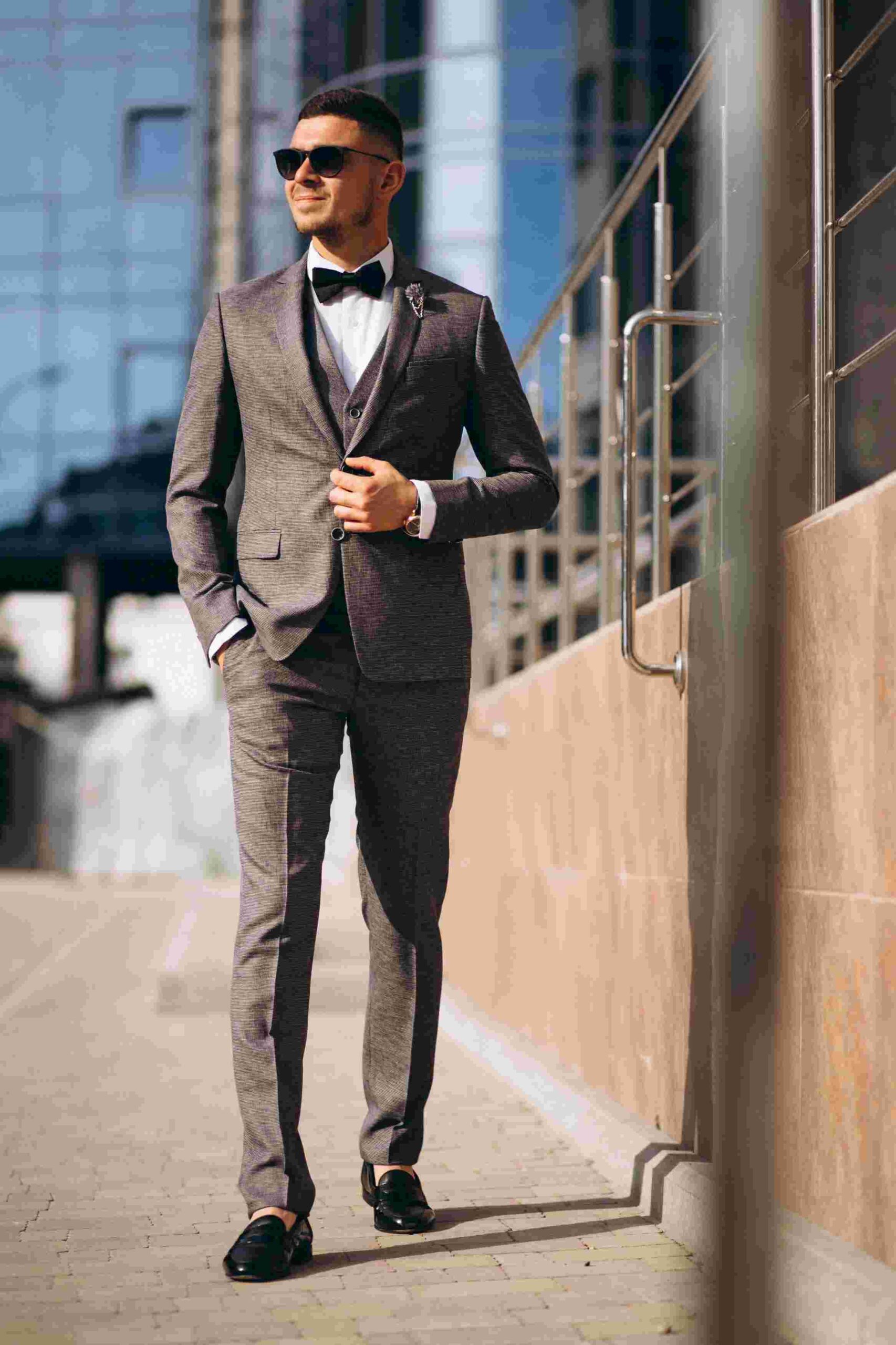
Choosing the right men suit for wedding occasions requires careful consideration of style, fit, fabric, and appropriateness for the event. Whether you’re the groom, a groomsman, or a guest, your suit selection significantly impacts your appearance and comfort throughout the celebration. Modern wedding fashion offers men unprecedented variety, from timeless classics to contemporary interpretations that push traditional boundaries while maintaining sophistication and elegance.
The Foundation of Wedding Suit Selection
Understanding the fundamentals of suit construction and styling establishes the foundation for making informed choices. A men suit for wedding events should project confidence, respect for the occasion, and personal style while complementing the wedding’s overall aesthetic. The modern gentleman has numerous options beyond the standard black tuxedo, though that remains an impeccable choice for the most formal ceremonies.
The suit’s role extends beyond mere clothing—it represents your acknowledgment of the event’s significance and your respect for the couple celebrating their union. For grooms, the suit becomes part of wedding memories captured in photographs treasured for generations. For guests and wedding party members, appropriate attire demonstrates social awareness and adds to the event’s overall elegance.
Classic Suit Styles for Weddings
The single-breasted two-button suit remains the most versatile and widely appropriate option for weddings. This timeless style suits virtually all body types and works across formality levels, from semi-formal to black-tie optional events. The clean lines and balanced proportions create a polished appearance that photographs beautifully and never looks dated.
Three-piece suits, including a matching vest or waistcoat, add formality and visual interest to your men suit for wedding ensemble. The additional layer allows for creative styling options, such as removing the jacket during receptions while maintaining a put-together appearance. Three-piece suits work particularly well for grooms and groomsmen, creating cohesive, distinguished looks for the wedding party.
Double-breasted suits have experienced a resurgence in popularity, offering a bold, fashion-forward option for confident dressers. The overlapping front panels and peaked lapels create a powerful silhouette suitable for formal weddings. This style works best for taller men or those with athletic builds, as the additional fabric can overwhelm smaller frames.
The tuxedo represents the pinnacle of formal wedding attire. Distinguished by its satin or grosgrain lapels, typically a single button closure, and worn with formal accessories like bow ties and patent leather shoes, the tuxedo remains non-negotiable for black-tie weddings. Modern tuxedos offer variations in lapel styles, fabric textures, and subtle details that allow for personalization within formal parameters.
Fabric Selection for Comfort and Style
Fabric choice dramatically affects both the suit’s appearance and your comfort throughout the wedding day. Wool remains the gold standard for men suit for wedding attire, offering natural breathability, wrinkle resistance, and ability to hold shape beautifully. Super 100s to Super 150s wool provides excellent quality for most wedding occasions, with higher numbers indicating finer, more luxurious fabrics.
For summer weddings, lightweight fabrics become essential for comfort. Tropical wool, specifically woven for breathability, allows air circulation while maintaining formal appearance. Linen suits offer maximum breathability and relaxed elegance suitable for outdoor or destination weddings, though their natural tendency to wrinkle should be accepted as part of the fabric’s character rather than viewed as a flaw.
Cotton suits work well for casual or semi-formal weddings, particularly daytime events. While less formal than wool, quality cotton suiting provides comfort and versatility. Blended fabrics incorporating silk, linen, or synthetic fibers can offer practical benefits like enhanced wrinkle resistance or improved drape while maintaining sophisticated appearance.
Velvet has emerged as a popular choice for winter weddings and evening events, offering luxurious texture and rich color depth. Typically reserved for jackets or tuxedo blazers rather than full suits, velvet creates striking visual impact and photographs beautifully in wedding settings.
Color Psychology and Appropriateness
Color selection for your men suit for wedding attire should consider the wedding’s time of day, season, formality level, and overall color scheme. Navy blue has surpassed black as the most popular choice for modern weddings, offering versatility that works across seasons and formality levels. The color photographs well, complements various skin tones, and provides a foundation for diverse shirt and tie combinations.
Charcoal gray presents another excellent option, offering sophistication slightly less formal than black but more elevated than medium gray. This shade works particularly well for daytime weddings and professional settings. Medium and light gray suits suit spring and summer celebrations, offering contemporary elegance with approachability.
Black suits remain appropriate for formal evening weddings, though they’ve become less universal as the default choice. When selecting black, ensure the event’s formality justifies this traditional formal color. For very formal weddings, a black tuxedo typically supersedes a black suit.
Earth tones like tan, beige, and brown have gained acceptance for outdoor, rustic, or casual weddings, particularly during spring and summer. These colors photograph beautifully against natural settings and create relaxed yet refined appearances. Burgundy, forest green, and navy jewel tones offer bold alternatives for confident dressers, working particularly well for evening weddings and fall celebrations.
The Critical Importance of Proper Fit
No element impacts your appearance more significantly than fit. An inexpensive suit that fits perfectly looks infinitely better than an expensive suit with poor fit. Modern suit fitting has evolved to offer various silhouettes, each with distinct characteristics and appropriate contexts.
The classic fit offers traditional proportions with more room through the chest, waist, and seat, providing comfort for all-day wear and movement. While less trendy, this fit never looks dated and suits conservative wedding settings. The slim fit has dominated modern menswear, featuring tapered waist, narrower lapels, and closer-fitting sleeves and trousers. This contemporary silhouette creates clean lines and works particularly well for younger men or those with athletic builds.
The modern fit splits the difference between classic and slim, offering updated proportions without extreme tapering. This balanced approach suits most body types and provides contemporary style without risk of appearing overly trendy. Regardless of overall fit preference, specific measurements require attention: jacket shoulders should align with your natural shoulder line, sleeves should show a quarter to half inch of shirt cuff, jacket length should cover your seat, and trousers should break slightly on the shoe top.
Coordinating Shirts, Ties, and Accessories
A complete men suit for wedding ensemble extends beyond the suit itself. Shirt selection should consider collar style, fabric, and color coordination. White remains the most formal and versatile choice, appropriate for any wedding. Light blue offers subtle color while maintaining formality, and pattern shirts including subtle stripes or checks can add personality to less formal weddings.
Tie selection depends on the wedding’s formality and your relationship to the couple. Silk ties in solid colors or subtle patterns work for most weddings, while knit ties offer texture and casual sophistication for less formal events. Bow ties suit formal weddings and add vintage charm when appropriate. The tie should complement rather than match the suit color, creating visual interest through coordinated contrast.
Pocket squares add sophistication when folded neatly in the jacket breast pocket. Choose colors that coordinate with your tie without matching exactly. Shoes should match the suit’s formality level, with oxford or derby styles in leather being appropriate for most weddings. Belt and shoe leather should match in color and finish.
Seasonal Considerations
Wedding season significantly influences appropriate suit choices. Spring weddings welcome lighter colors like light gray, tan, or navy in lighter-weight fabrics. Summer celebrations demand breathable fabrics and lighter colors, with linen and tropical wool being practical choices. Fall weddings accommodate richer colors like burgundy, forest green, or brown in medium-weight fabrics. Winter events allow for heavier fabrics like flannel or tweed in darker, richer colors.
Rental Versus Purchase
The decision to rent or purchase your suit depends on several factors. Renting makes sense for one-time events, limited budgets, or rapidly changing sizes. Purchase represents better value if you’ll wear the suit multiple times, want perfect fit through tailoring, or wish to build a versatile wardrobe.
Conclusion
Selecting the perfect men suit for wedding occasions combines understanding classic principles with awareness of contemporary trends, personal style expression, and practical considerations. Whether choosing a timeless navy two-piece, a sophisticated three-piece suit, or a formal tuxedo, prioritize proper fit, appropriate formality level, and quality construction. The right suit enhances your appearance, boosts confidence, and ensures you look polished in wedding photographs while celebrating the couple’s special day. Invest time in selection, fitting, and coordination to create an ensemble that honors both tradition and personal style, making you look and feel your absolute best during these memorable celebrations.