
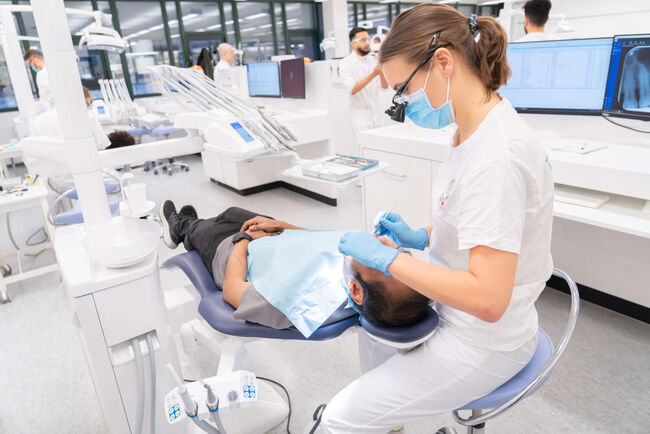
Dentistry is a highly rewarding career that combines science, precision, and patient care. For many students, pursuing dental education abroad offers exposure to advanced medical technologies, global curricula, and international networking opportunities. However, navigating the application process can be overwhelming. This guide provides a step-by-step approach for international students who want to study dentistry abroad successfully.
Step 1: Research Your Preferred Destinations
The first step in studying dentistry abroad is identifying the countries that align with your academic, financial, and personal goals. Popular destinations for dental education include the USA, UK, Germany, Australia, Poland, and Hungary. When researching, consider:
-
Language of instruction
-
Tuition and living costs
-
Recognition of degrees globally
-
Post-graduation licensing requirements
Choosing the right country ensures that your degree will be recognized and valued when you return home or pursue further studies internationally.
Step 2: Choose the Right University
Once you’ve selected a country, identify universities or dental schools with strong reputations, modern facilities, and accredited programs. Look for:
-
Accreditation by dental boards or international associations
-
Experienced faculty and modern teaching labs
-
Research opportunities and clinical exposure
-
Alumni success stories
Ranking lists, student reviews, and official university websites are helpful tools in narrowing down your choices.
Step 3: Understand Admission Requirements
Admission requirements vary by country and university. Typically, international students need:
-
A high school diploma or equivalent
-
Strong academic performance, especially in science subjects like biology and chemistry
-
Proof of English proficiency (IELTS or TOEFL) if the program is in English
-
Entrance exam scores (some universities require tests like the DAT or university-specific exams)
Check each university’s website for detailed requirements to ensure your eligibility before applying.
Step 4: Prepare Your Documents
A successful application requires careful preparation of documents. Commonly required documents include:
-
Academic transcripts and certificates
-
Letters of recommendation
-
Personal statement or motivation letter
-
Passport copy
-
CV or resume highlighting relevant experience
Ensure that all documents are accurate, up-to-date, and meet the university’s submission guidelines.
Step 5: Apply to Universities
Most universities offer online application portals. Submit your application along with the required fees before the deadlines. Applying to multiple institutions increases your chances of acceptance, but focus on programs that fit your goals.
Step 6: Attend Interviews or Entrance Exams
Some dental schools may require interviews or entrance exams. Prepare thoroughly by:
-
Reviewing dental concepts and general science
-
Practicing interview questions
-
Understanding the healthcare system of your chosen country
Being well-prepared can improve your chances of acceptance and demonstrate your commitment to the field.
Step 7: Secure Funding and Scholarships
Studying abroad can be costly, so explore scholarships, grants, or student loans. Many universities offer financial aid for international students. Check for:
-
University-specific scholarships
-
Government or embassy scholarships
-
Private organizations supporting international dental students
Budgeting carefully for tuition, accommodation, travel, and daily expenses is essential for a smooth study experience.
Step 8: Obtain a Student Visa
After receiving your acceptance letter, apply for a student visa. Requirements usually include:
-
Acceptance letter from the university
-
Proof of financial support
-
Passport and photos
-
Medical certificate and insurance
Start the visa process early to avoid delays.
Step 9: Prepare for Departure
Before leaving, make sure to:
-
Arrange accommodation
-
Purchase health insurance
-
Learn about local culture and regulations
-
Pack essential items for your studies and living abroad