
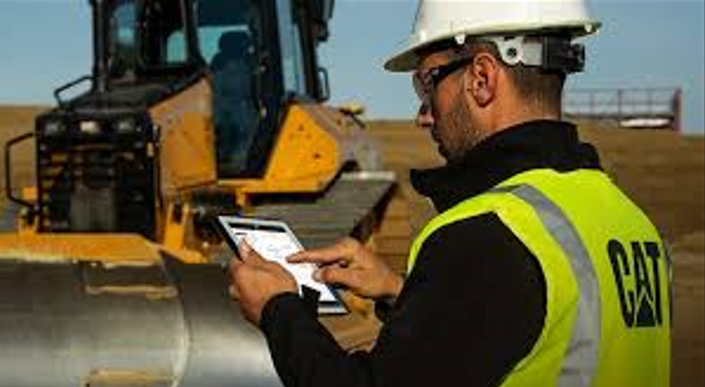
Managing a fleet of vehicles and equipment is one of the most challenging aspects of construction management. Whether it’s coordinating trucks, machinery, or tools across multiple job sites, staying on top of your fleet can often feel like juggling too many moving parts. One of the most effective ways to manage this complexity is by utilizing construction fleet management software.
With real-time fleet visibility, construction managers gain complete control over their operations, leading to increased efficiency, reduced costs, and streamlined project timelines. In this article, we’ll explore how construction fleet management software enhances fleet visibility, boosts productivity, and ultimately transforms construction management for the better.
The Challenges of Managing a Construction Fleet
A construction fleet is a mix of various assets, from trucks and cranes to bulldozers and smaller equipment. Managing these assets, especially when they are spread across multiple locations, poses several challenges:
- Tracking vehicle and equipment location: Equipment can be spread across different job sites, making it hard to know where each asset is at any given moment.
- Optimizing fleet usage: Allocating the right equipment to the right job site at the right time is essential for productivity, but it can be difficult to track and assign resources efficiently.
- Maintenance management: Keeping track of maintenance schedules and avoiding breakdowns is crucial to avoid costly delays.
- Fuel consumption: Monitoring fuel usage across a fleet of vehicles and equipment can be time-consuming, and without the right visibility, inefficiencies can add up.
- Compliance and reporting: Ensuring that all equipment complies with regulations, safety standards, and company policies can become a logistical nightmare without accurate, up-to-date information.
These challenges often lead to inefficiencies, higher operational costs, and delays in project timelines. However, construction fleet management software can provide real-time insights into these challenges, enabling managers to make smarter decisions and keep their projects on track.
How Construction Fleet Management Software Improves Operations
1. Real-Time Location Tracking and Fleet Visibility
One of the primary features of construction fleet management software is real-time location tracking. Using GPS and telematics, fleet management systems allow managers to monitor the location of every piece of equipment, truck, and vehicle in real time. Whether a machine is on a job site or in transit between locations, fleet managers have immediate visibility into its whereabouts.
Real-time tracking helps companies:
- Optimize fleet allocation: Easily reassign equipment or vehicles to job sites that need them, reducing downtime and improving project efficiency.
- Monitor job site productivity: Knowing where assets are located at all times allows project managers to monitor productivity and ensure that the right equipment is available when needed.
- Improve security: Real-time tracking helps prevent theft and unauthorized use of equipment, as managers can be immediately alerted if equipment is moved outside designated areas.
This visibility not only enhances operational efficiency but also ensures that managers are equipped with the data needed to make proactive decisions.
2. Maintenance Scheduling and Alerts
Another significant benefit of construction fleet management software is its ability to track the maintenance schedules of vehicles and equipment. Equipment downtime is costly, and unexpected breakdowns can cause delays and increased repair expenses. By automating maintenance schedules, the software helps keep your fleet in top condition and minimizes the risk of unplanned downtime.
Key features include:
- Automatic maintenance reminders: The software sends alerts when maintenance is due, based on usage hours, mileage, or time intervals.
- Maintenance history tracking: Every maintenance action whether it’s a repair, oil change, or parts replacement is recorded, helping you track the history of each asset.
- Predictive maintenance: The software analyzes data from equipment sensors to predict when maintenance will be needed, allowing for timely repairs and reducing the likelihood of failures during operation.
With construction fleet management software, businesses can stay ahead of maintenance needs, extend the life of their equipment, and reduce costly repairs.
3. Fuel Consumption and Cost Tracking
Fuel is one of the largest ongoing costs associated with operating a fleet, and without visibility, it’s easy for fuel usage to get out of hand. Construction fleet management software tracks fuel consumption in real time, offering valuable insights into fuel efficiency across your fleet.
Features include:
- Fuel usage tracking: The software monitors fuel consumption for each vehicle and piece of equipment, identifying areas where fuel is being wasted.
- Efficient route planning: Real-time data helps optimize routes for vehicles, reducing fuel costs by avoiding unnecessary travel or detours.
- Cost control: By monitoring fuel expenses, managers can identify trends, compare fuel efficiency across vehicles, and make decisions to reduce fuel waste.
With accurate fuel tracking, construction businesses can better control costs, reduce waste, and improve the overall efficiency of their fleet.
4. Improved Fleet Allocation and Scheduling
Managing the allocation of resources on construction sites is crucial for ensuring projects stay on schedule. Construction fleet management software provides a comprehensive view of fleet availability and usage, helping managers assign the right equipment to the right task.
Key benefits include:
- Scheduling optimization: The software helps coordinate the timing of equipment use across multiple projects, ensuring that assets are used as efficiently as possible.
- Minimized downtime: By knowing when and where equipment is being used, managers can ensure that idle equipment is reassigned quickly, preventing unnecessary delays.
- Better resource planning: Accurate data helps managers predict future equipment needs and adjust schedules and allocations accordingly.
By streamlining fleet scheduling, construction companies can ensure that every job has the resources it needs to run smoothly and meet deadlines.
5. Compliance and Safety Management
Safety and compliance are top priorities in the construction industry. Construction fleet management software helps ensure that equipment and vehicles comply with safety standards and regulatory requirements.
Features that support compliance include:
- Tracking certifications and inspections: The software helps keep track of required inspections, certifications, and maintenance logs to ensure that equipment is compliant with local regulations.
- Safety alerts: If a machine is approaching its service limit or an operator is exceeding safety parameters, the software can alert managers to take corrective action.
- Accident reports: In the event of an accident, the software helps record and track incidents, ensuring compliance with insurance and legal requirements.
By improving compliance tracking, construction fleet management software helps reduce legal risks and improves the overall safety of the worksite.
The Benefits of Real-Time Fleet Visibility
The combination of real-time data and comprehensive fleet tracking enables construction businesses to:
- Make faster, data-driven decisions: Managers can act on insights immediately, improving responsiveness and minimizing downtime.
- Increase productivity and efficiency: With the right assets at the right time, construction sites can run more smoothly and projects can stay on schedule.
- Reduce operational costs: By optimizing asset allocation, reducing fuel consumption, and preventing unnecessary rentals, businesses can reduce overall fleet operating costs.
- Enhance accountability: Real-time tracking and detailed records increase accountability across the team, ensuring equipment is used properly and maintained regularly.
How Clue Enhances Fleet Visibility
Clue is an example of construction fleet management software that helps businesses enhance their fleet’s visibility and streamline operations. With its advanced features like real-time tracking, automated maintenance scheduling, and detailed reporting, Clue offers construction companies the tools they need to improve efficiency, reduce costs, and optimize fleet usage.
Whether you are managing a fleet of vehicles or heavy machinery, Clue makes it easier to track everything in real time, making sure your assets are utilized to their fullest potential and that you’re always ahead of maintenance needs.
Conclusion
Managing a construction fleet has never been easier thanks to the power of construction fleet management software. By providing real-time visibility, optimizing asset allocation, tracking fuel consumption, and ensuring proactive maintenance, this software is essential for improving productivity, reducing costs, and enhancing accountability on the job site.
As the construction industry continues to grow and become more competitive, adopting construction fleet management software is no longer optional; it’s a necessity. With solutions like Clue, businesses can take control of their fleet, maximize resource utilization, and drive greater operational efficiency.