
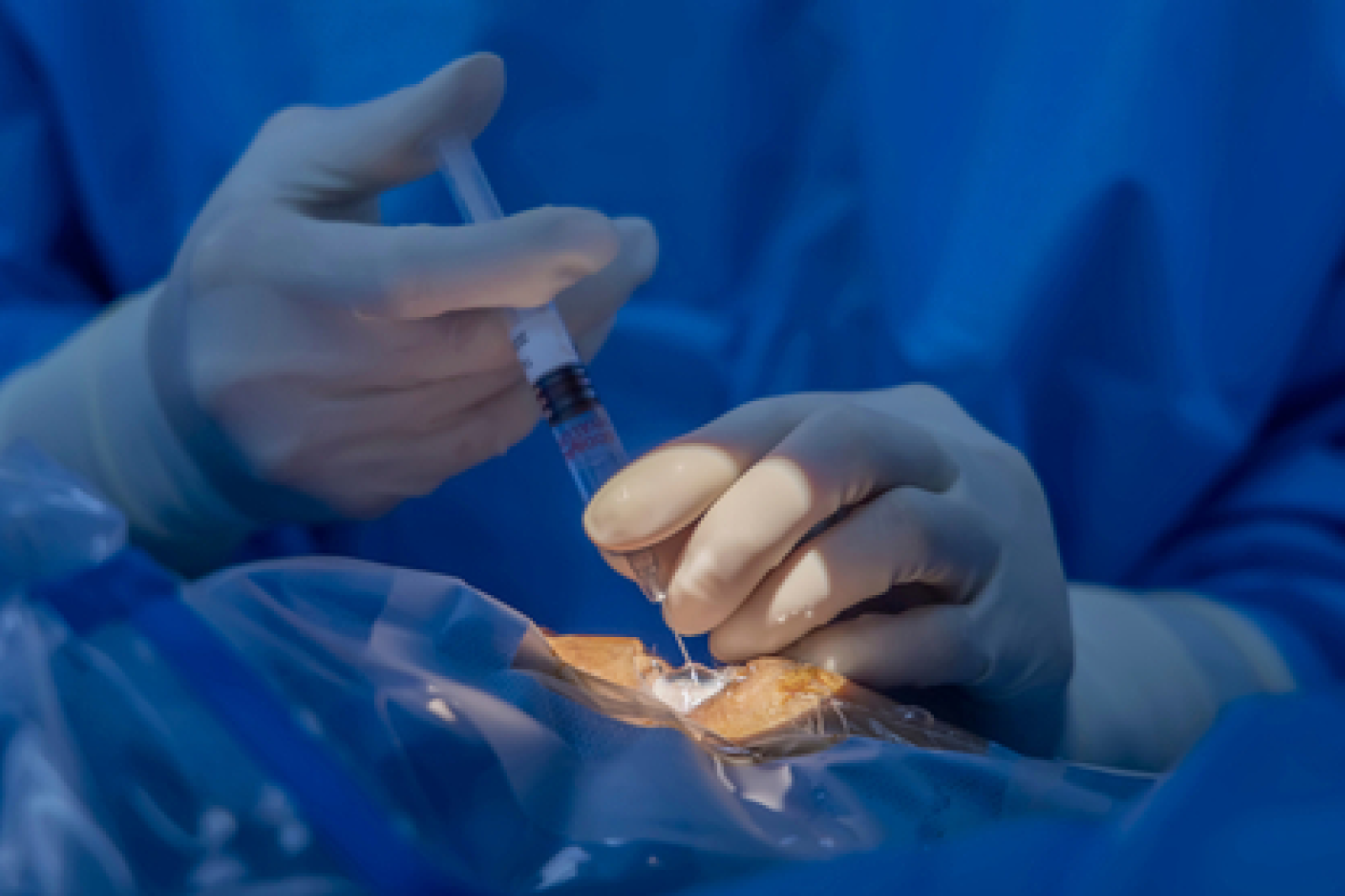
In the current year of 2025, posterior Uveitis Eye Treatment looks very promising. Doctors now have the capability to detect inflammation early and treat it with better accuracy. On the other hand, patients also benefit from the use of safer medicines and approaches to treatment, which provide them with quicker relief. The primary focus of the entire treatment procedure is on protecting vision even before damage starts accelerating.
Let us understand some of the new-age tools and treatment plans to steer people in the right direction for their eye health:
Smarter Diagnosis With Better Imaging Tools
Posterior uveitis can often be tough to detect since the inflammation starts occurring deep within the eye. Hence, doctors are resorting to clearer and more advanced systems that provide detailed layers of the retina and choroid.
Given below are some of the most common imaging methods:
- Optical coherence tomography (OCT).
- Fluorescein Angiography (FFA).
- Indocyanine Green (ICG).
- OCT Angiography (OCTA).
Faster Relief Through Targeted Anti-Inflammatory Treatments
This eye concern can be rapidly treated when treatment is focused on the control of inflammation. Doctors often choose therapies that start working at the back of the eye. This helps you to experience a reduction in symptoms and also safeguards the sensitive tissues of the eye. Instead of simply focusing on the excessive use of tablets, doctors have started adopting injections and implants that release medicine slowly.
Some of the most common approaches witnessed in posterior uveitis treatment include:
- Intravitreal steroid injections.
- Dexamethasone implants.
- Fluocinolone implants.
Adoption of these approaches also results in the lowering of certain side effects and the frequency of escalations.
Reducing Dependence on High-Dose Steroids
When you take steroids for a long time, it can trigger potential issues of eye pressure and cataracts. Due to this, most ophthalmologists prefer to provide treatment plans with the lowest dose of steroids. Such medications are gradually becoming popular for eye treatments and control the immune response without requiring major steroid dosage.
Some examples of such medications include:
- Methotrexate
- Azathioprine
- Mycophenolate mofetil
- Cyclosporine
Growing Use of Biologic Medicines for Tough Cases
Biologic drugs often act as a stronger and more targeted alternative when it comes to difficult cases of uveitis. This is due to the fact that biologics focus specifically on the pathways that are the root causes of inflammation. They also play a role in reducing the chances of flare-ups and protect your vision in the long run, decreasing unnecessary dependence on the use of steroids.
These medicines are also reserved in cases where a patient is suffering from noninfectious posterior uveitis, when it does not respond to other treatments.
Conclusion
Caring for patients who are suffering from posterior uveitis in 2025 is all about providing them with a safer path towards eye health. By bringing their focus to techniques of imaging, focused treatments, avoidance of steroids, and biologic medicines, doctors have revolutionised the way treatment is given to patients. Collectively, these approaches help in the management of inflammation early and guide patients towards stable recovery. Your vision is in safe hands with FM Eye Hospital, which is committed towards guiding you to a better future for your eye‘s well-being and clarity.