
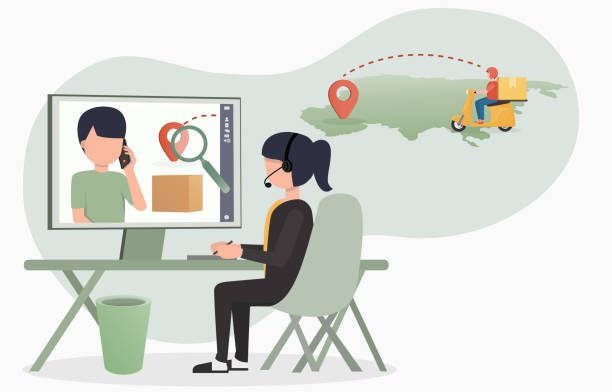
The rapid rise of e-commerce has brought extraordinary convenience to customers—but it has also created a major challenge for businesses: return volumes. Modern online shoppers expect easy, fast, and transparent return processes. The result is an unprecedented demand for streamlined reverse logistics systems that can handle large-scale returns without disrupting core fulfillment operations.
This shift is driving many businesses to adopt return management software, a digital solution designed to automate and optimize product returns from start to finish. With the support of providers such as Momentum Shipping Company, organizations gain the ability to process returns faster, reduce manual errors, and maintain customer satisfaction while protecting profitability.
As reverse logistics becomes more complex and more essential to brand reputation, a central question emerges: Is return management software the future of reverse logistics? The answer increasingly points toward a strong yes.
Below is an in-depth look at how modern return systems are transforming logistics efficiency and why these tools will likely dominate the future of reverse workflows.
The Growing Importance of Reverse Logistics
Reverse logistics is no longer an optional add-on to supply chain operations. It is now a crucial part of the customer experience. Customers expect:
-
Easy return initiation
-
Fast processing
-
Transparent refund updates
-
Clear shipping instructions
-
Seamless return authorization
Traditional methods—reliant on emails, spreadsheets, manual checks, and disconnected warehouse systems—are no longer sustainable. As return volumes grow, manual processes become inefficient, slow, and expensive. Reverse logistics now demands automation, accuracy, and centralized data, making the shift to return management software more essential than ever.

What Is Return Management Software?
Return management software is a digital platform designed to manage product returns efficiently. From customer return initiation to warehouse inspection, restocking, or disposal, every step is tracked and optimized.
These tools integrate with e-commerce platforms, warehouse management systems, carrier networks, and communication tools. This interconnected approach reduces friction and ensures that all stakeholders—from customers to fulfillment centers—receive accurate, timely information.
Modern solutions also work alongside complementary tools like product returns management software, which provides deeper insights into return reasons, product conditions, and refund patterns.
Why Return Management Software Is Shaping the Future of Reverse Logistics
1. Faster Return Processing Through Automation
Manual return workflows slow down operations significantly. With return management software, businesses automate core tasks such as:
-
Return approvals
-
Label generation
-
Refund notifications
-
Status updates
-
Routing decisions
Automation reduces delays, eliminates human error, and accelerates processing timelines. The result is a smoother experience for both customers and warehouse teams.
2. Improved Visibility Across the Reverse Logistics Cycle
One of the biggest pain points in traditional return workflows is the lack of clear visibility. Customers often wait without updates, and operations teams struggle to track return movements accurately.
With centralized software, every stage of the return process is visible in real time:
-
When a return is initiated
-
When the product is scanned by the carrier
-
When it arrives at the warehouse
-
When an inspection is completed
-
When the refund is issued
This transparency strengthens communication, reduces customer inquiries, and supports more predictable warehouse planning.
3. Lower Operational Costs and Reduced Waste
Reverse logistics has historically been expensive due to labor costs, reshipping fees, restocking delays, and lost inventory. However, return management software addresses these challenges through:
-
Automated workflows that reduce labor hours
-
Accurate inspection data for restocking decisions
-
Smart routing options to reduce shipping distance
-
Condition tracking that prevents unnecessary disposals
-
Real-time return reason analytics
These features minimize waste while allowing businesses to recover more value from returned goods.
Partners such as Momentum Shipping Company use similar digital optimization strategies to reduce operational bottlenecks and strengthen cost control.
4. Enhanced Customer Experience and Brand Loyalty
A smooth return process directly influences customer retention. Shoppers often judge brands more by how issues are resolved than by initial purchase experiences.
Return management platforms enhance satisfaction by offering:
-
User-friendly return portals
-
Clear step-by-step return instructions
-
Pre-generated return shipping labels
-
Real-time refund tracking
-
Faster processing times
A frictionless return experience encourages repeat purchases and helps avoid customer frustration.
5. Data-Driven Insights That Reduce Future Returns
Not all returns are equal. Some are caused by inaccurate product descriptions, inconsistent sizing, packaging issues, or supplier errors. Others are due to customer behavior patterns.
Tools like product returns management software collect and analyze data on:
-
Return reasons
-
Product defect trends
-
SKU-level return rates
-
Customer behavior patterns
-
Packaging performance
-
Supplier discrepancies
With these insights, businesses optimize product listings, strengthen quality control, and reduce preventable returns over time.

6. Stronger Warehouse Efficiency and Reverse Workflow Organization
Reverse logistics often creates warehouse congestion due to unpredictable return volumes, irregular item conditions, and complex restocking requirements. Return management tools streamline the process by:
-
Generating automated return receipts
-
Updating warehouse systems instantly
-
Prioritizing items based on resale value
-
Assigning clear inspection categories
-
Identifying items for repair, recycling, or liquidation
This structure improves warehouse flow and maximizes use of available space.
7. Integration With E-Commerce, Shipping, and Inventory Platforms
The modern supply chain relies on integrated systems. Return management software connects with:
-
Online store platforms
-
Inventory management systems
-
Warehouse management software
-
Shipping carriers and freight partners
-
Customer communication tools
These integrations create a unified return ecosystem that eliminates redundancies and reduces the risk of miscommunication.
Why Return Management Software Will Continue to Grow
Several trends are accelerating the adoption of digital return solutions:
-
Rising online return rates
-
Higher customer expectations
-
Increased SKU complexity
-
Sustainability demands
-
Cost pressure on reverse logistics
-
Growth of omnichannel selling
-
Expansion of cross-border e-commerce
Businesses that fail to modernize reverse logistics risk delays, operational inefficiencies, and customer dissatisfaction.
Forward-thinking partners such as Momentum Shipping Company rely on digital-driven processes that support scalable, predictable, and cost-effective reverse logistics.
As return volumes continue to rise, return management software will play an even larger role in ensuring smooth, reliable, and transparent return operations.
FAQ
1. What is return management software?
Return management software is a digital platform that automates and manages product returns, providing visibility, speed, and organization throughout the reverse logistics process.
2. Why is return management software important for modern e-commerce?
It reduces return processing times, cuts operational costs, improves customer satisfaction, and provides data insights that lower future return rates.
3. What is the difference between return management software and product returns management software?
Return management software focuses on workflow automation, while product returns management software provides deeper analytical insights into return causes, SKU trends, and quality issues.
4. Can return management software reduce logistics costs?
Yes. Automation, smart routing, accurate inspections, and faster restocking significantly lower operational expenses associated with reverse logistics.
5. How does Momentum Shipping Company support reverse logistics?
Momentum Shipping Company incorporates advanced logistics processes, technology-driven tracking, and streamlined workflow structures that enhance return processing speed and accuracy.