
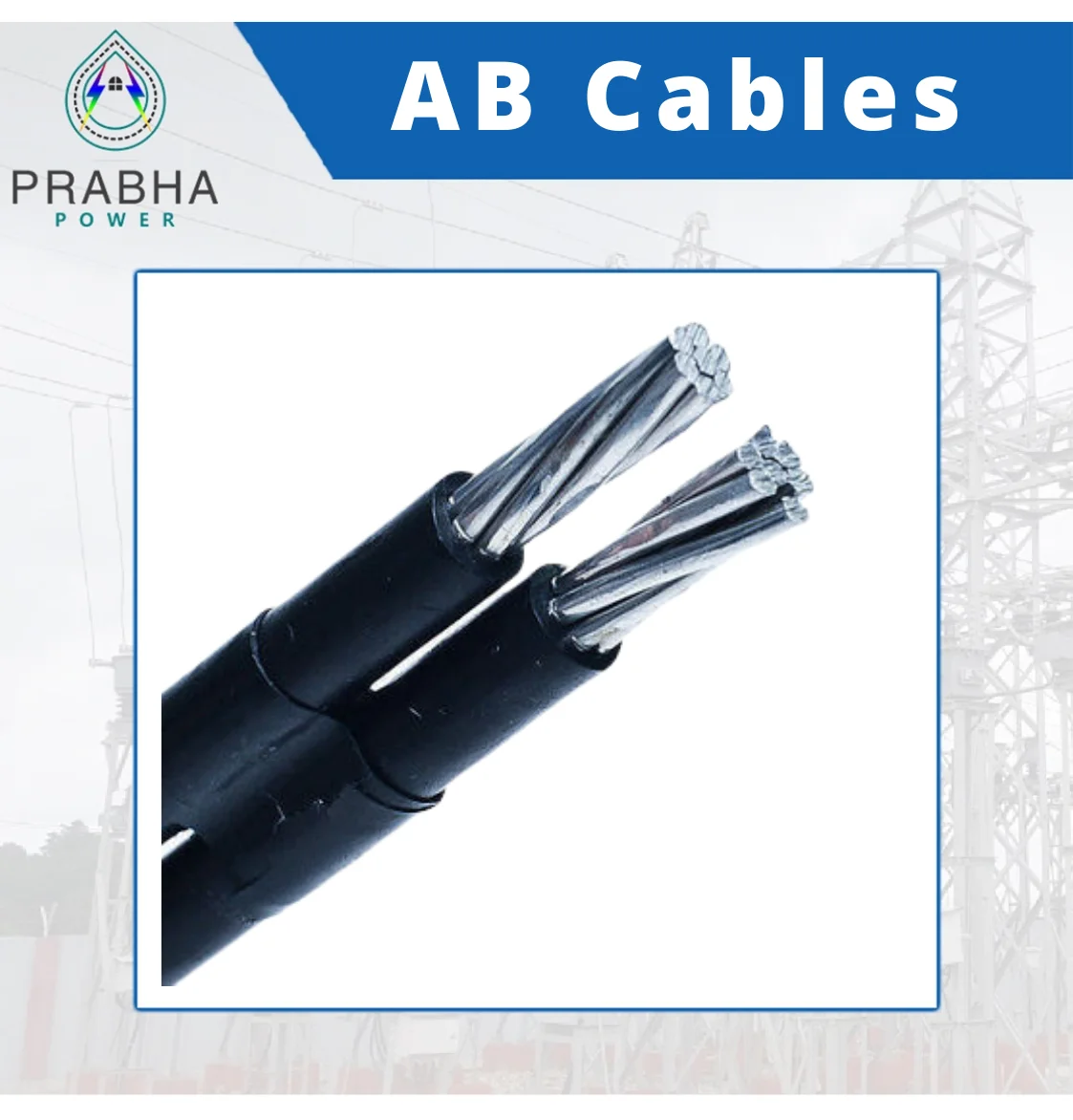
Modern electrical systems are becoming more advanced, more reliable, and more focused on safety. One major innovation that has helped improve power distribution is the use of AB Cables. These cables have become a preferred choice across many regions because they offer better performance, higher safety, and improved efficiency compared to traditional open-wire systems. In this article, we will explore what AB Cables are, how they work, their benefits, applications, features, and why they are essential in today’s electrical networks.
What Are AB Cables?
AB Cables, also known as Aerial Bunched Cables, are overhead power cables where several insulated conductors are bundled together. Instead of running bare conductors on poles, all the wires in AB Cables are insulated and arranged in a compact form. This design reduces power losses, prevents accidental contact, and improves reliability. Because the wires are insulated, the risk of short circuits, fire hazards, and interruptions is greatly reduced.
AB Cables are widely used in rural, urban, and hilly regions where traditional overhead wiring is difficult or unsafe. Today, they are considered one of the best solutions for modern distribution networks.
Why AB Cables Are Becoming More Popular
The demand for safer and more efficient power distribution is increasing. Traditional overhead wires are exposed, making them vulnerable to weather, tree branches, theft, and technical faults. AB Cables solve most of these issues due to their insulated and bundled design.
Power utilities prefer AB Cables because they offer long-term cost savings, reduced maintenance, and better resistance to environmental challenges. With growing electricity needs in homes, industries, and commercial spaces, reliable power lines have become essential—and AB Cables play a major role in ensuring that reliability.
Key Features of AB Cables
AB Cables come with several important features that make them suitable for modern electrical networks:
1. Insulated Conductors
All conductors are covered with high-quality insulation, reducing the chances of accidental contact and faults.
2. High Mechanical Strength
The messenger wire (usually made of steel-reinforced aluminum) gives the cable strong support and durability.
3. Weather Resistance
AB Cables withstand heavy rain, storms, strong winds, and exposure to sunlight much better than bare conductors.
4. Improved Safety
Because they are insulated, the risk of electrical shock, fire, and short circuits is much lower.
5. Reduced Power Loss
The insulated design prevents leakage of current, helping improve overall efficiency.
6. Easy Installation
These cables require fewer poles, less spacing, and are simpler to install even in difficult landscapes.
Components of AB Cables
AB Cables are usually made of:
-
Phase conductors with XLPE (Cross-Linked Polyethylene) insulation
-
Messenger wire for mechanical support
-
Neutral conductor
-
Lighting conductor (optional depending on the design)
-
UV-resistant outer coating
Each element plays an important role in making the cable strong, safe, and effective for power distribution.
Types of AB Cables
AB Cables come in different types depending on voltage level and usage:
1. Low Voltage AB Cables (LV ABC)
Used for domestic and commercial electricity distribution.
2. Medium Voltage AB Cables (MV ABC)
Used for power supply in large areas, industrial zones, and long-distance distribution.
3. High Voltage Bundled Cables
Used in specialized applications requiring higher voltage transmission.
Different regions may use different cable types based on load demand, surroundings, and safety standards.
Advantages of Using AB Cables
1. Better Safety Standards
Insulated conductors reduce the chances of accidents, shocks, or poles catching fire. This makes them ideal for crowded and sensitive areas.
2. Fewer Technical Issues
Traditional wires often face problems like short circuits, loose joints, and contact with tree branches. AB Cables minimize these risks.
3. Lower Maintenance Cost
Because they are protected and durable, AB Cables require less frequent repairs and inspections.
4. Theft Reduction
Electricity theft through hooking is a major challenge in many regions. The insulation of AB Cables makes hooking difficult, reducing power theft.
5. Ideal for Challenging Terrains
In hilly areas, forests, and narrow roads, installing traditional conductors is difficult. AB Cables offer a practical solution with easy mounting and less required space.
6. Longer Service Life
With UV-resistant insulation, corrosion resistance, and strong mechanical support, AB Cables last much longer.
7. Improved Voltage Stability
Reduced power loss ensures that homes and industries get steady voltage without frequent fluctuations.
Applications of AB Cables
AB Cables are used in many areas, including:
1. Urban and Residential Distribution
They provide safer overhead wiring solutions in cities, apartments, and commercial areas.
2. Rural Electrification
In villages and remote areas, AB Cables help deliver power safely and efficiently.
3. Industrial Power Supply
Industries often need reliable and stable electricity. AB Cables help maintain consistent power.
4. Temporary Power Installations
Used in events, construction sites, and emergency power setups due to easy installation.
5. Forest and Hilly Regions
Their design reduces issues caused by tree branches, moisture, and wildlife.
6. Replacement of Bare Overhead Conductors
Wherever old systems need upgrading, AB Cables are an excellent replacement.
AB Cables vs Traditional Bare Conductors
| Feature | AB Cables | Bare Conductors |
|---|---|---|
| Safety | Very high | Low |
| Maintenance | Low | High |
| Theft protection | Strong | Weak |
| Weather resistance | High | Moderate |
| Installation | Easy | Difficult in narrow/hilly areas |
| Risk of faults | Very low | High |
| Voltage drop | Low | Higher |
It is clear that AB Cables offer several advantages, making them the preferred choice for modern networks.
Impact of AB Cables on Power Distribution Systems
AB Cables have changed the way electricity is distributed. Some major impacts include:
-
Reduced power outages due to minimized technical faults
-
Better power quality with stable voltage
-
Lower operational costs for power supply companies
-
Improved public safety in densely populated areas
-
Higher efficiency in long-distance distribution
These benefits have made AB Cables an important part of modernization projects across the world.
Best Practices for Installing AB Cables
While AB Cables are easy to install, following best practices ensures maximum performance:
1. Proper Tensioning
The messenger wire must be tensioned correctly to prevent sagging.
2. Using High-Quality Accessories
Clamps, connectors, and insulation piercing connectors (IPCs) should be certified and durable.
3. Maintaining Safe Pole Distances
Correct spacing ensures mechanical stability and long service life.
4. Regular Inspection
Periodic inspections help identify early signs of wear or environmental impact.
5. Skilled Installation Teams
Certified technicians should handle installation to ensure safety and accuracy.
Future of AB Cables in Modern Electrical Networks
As the world moves toward smarter and more reliable power systems, AB Cables will continue to play a key role. Their insulation, efficiency, and durability make them suitable for both present and future needs. With the rise in electricity demand, population growth, and urban development, the importance of AB Cables will increase even further.
Innovations in insulation technology, conductor materials, and environmental protection will make future AB Cables even more effective.
Conclusion
AB Cables have become essential components of modern electrical networks. Their safety, durability, and efficiency make them far superior to traditional bare conductors. Whether for homes, industries, rural electrification, or urban expansion, AB Cables offer reliable performance and long-term value. If you are looking for high-quality and dependable electrical solutions, Prabha Power provides trusted options that meet today’s power distribution standards.