
Plastic plays a huge role in our daily lives. From bottles and bags to toys and household items, plastic is used everywhere. But with growing environmental concerns, recycling has become extremely important. One of the most useful products made through recycling is plastic recycled granules. These granules are widely used in many industries to create new and valuable products while reducing waste and protecting the environment.
In this blog, we will explain everything you need to know about plastic recycled granules—what they are, how they are made, their benefits, uses, types, production process, quality factors, market demand, and why industries today rely so much on them.
What Are Plastic Recycled Granules?
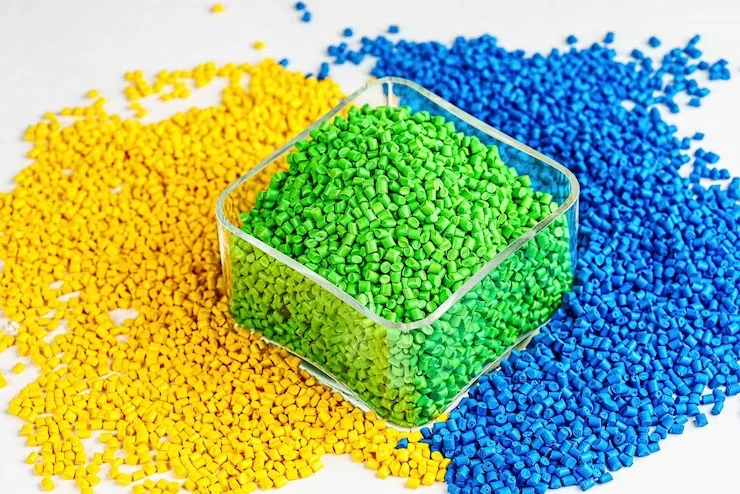
Plastic recycled granules are tiny pellet-like materials made by processing waste plastic. Instead of throwing plastic waste into landfills or oceans, it is collected, cleaned, melted, and shaped into small granules. These granules can then be used to manufacture new plastic products.
Plastic recycled granules look similar to raw plastic granules, but the difference is that they come from used or waste plastic materials. This makes them more eco-friendly, cost-effective, and sustainable.
Why Are Plastic Recycled Granules Important?
In today’s world, plastic waste has become a major problem. Recycling this waste into new and usable material helps reduce pollution, saves energy, and supports a circular economy. Since plastic recycled granules can be used in making many different products, they have become one of the most important raw materials in manufacturing industries.
How Plastic Recycled Granules Are Made
The process of making plastic recycled granules involves several steps. Each step ensures that the final product is clean, strong, and ready for new applications. Below is a simple explanation of the production process:
1. Collection of Waste Plastic
The first step is collecting plastic waste from households, factories, scrap dealers, and recycling centers. Items like bottles, pipes, bags, buckets, and packaging materials are sorted.
2. Sorting
All collected plastic is sorted according to its type. For example, PET, HDPE, LDPE, PP, and PVC are separated because each type melts at different temperatures and has different properties.
3. Cleaning and Washing
Plastic waste often contains dust, labels, food residue, or chemicals. The plastic is cleaned thoroughly to ensure the final granules are high quality and safe for use.
4. Shredding
The cleaned plastic is then shredded into small pieces using a shredding machine. These small flakes make the melting process easier.
5. Melting
The plastic flakes are fed into an extruder, where they are heated and melted at controlled temperatures.
6. Filtering
Before forming into granules, the melted plastic is filtered to remove any impurities, ensuring good quality raw material.
7. Granulation
The filtered melted plastic is then cooled and cut into small, round granules. These granules are packed and supplied to different industries.
Types of Plastic Recycled Granules
Different types of plastic generate different types of granules. Here are the most common ones:
1. LDPE Granules
-
Made from low-density polyethylene waste
-
Soft, flexible
-
Used in making carry bags, sheets, film rolls, etc.
2. HDPE Granules
-
Made from high-density polyethylene
-
Strong and durable
-
Used in pipes, bottles, containers, crates, and more
3. PP Granules
-
Made from polypropylene waste
-
Lightweight and heat-resistant
-
Used for household products, packaging, ropes, and automotive parts
4. PVC Granules
-
Made from polyvinyl chloride
-
Used in electrical cables, pipes, footwear, and plumbing fittings
5. PET Granules
-
Made from used bottles
-
Used in textile fibers, packaging, and food-grade applications
Each type has its own strength, flexibility, and uses, making plastic recycled granules a highly versatile material.
Uses of Plastic Recycled Granules in Different Industries
Plastic recycled granules are used in almost all major manufacturing sectors. Some popular applications include:
1. Packaging Industry
Used to make bags, pouches, covers, stretch films, bubble films, and more.
2. Household Products
Granules are used in manufacturing buckets, mugs, dustbins, containers, toys, chairs, storage boxes, and kitchen items.
3. Automotive Industry
Used in creating dashboards, bumpers, battery cases, interior trims, and other molded components.
4. Construction Industry
Used for making pipes, fittings, plastic sheets, cable insulation, and roofing materials.
5. Textile Industry
PET recycled granules are used to make polyester fibers, which then become garments, carpets, and blankets.
6. Electrical and Electronics
Used in cable insulation, switchboard parts, casings, and wire coverings.
Benefits of Using Plastic Recycled Granules
Using recycled granules offers many advantages for manufacturers, consumers, and the environment.
1. Environment-Friendly
Recycling helps reduce pollution, saves resources, and keeps plastic waste away from landfills.
2. Cost-Effective
Recycled granules are more affordable than virgin plastic granules, reducing manufacturing costs.
3. Energy-Saving
Recycling plastic uses less energy compared to producing new plastic from petroleum.
4. High Strength and Quality
Modern recycling technology ensures that recycled granules have excellent strength and durability.
5. Reduces Dependence on Raw Petroleum
By reusing plastic waste, industries can reduce the need for new petroleum-based raw materials.
6. Supports Circular Economy
It encourages reusing materials again and again, reducing overall waste.
Factors That Decide the Quality of Plastic Recycled Granules
High-quality recycled granules are important for manufacturing strong and reliable products. The quality depends on:
-
Purity of raw waste material
-
Cleaning and filtration process
-
Type of machinery used
-
Color and texture
-
Melting strength
-
Contamination levels
-
Moisture content
Manufacturers who follow strict quality control produce granules that match industry standards.
Growing Market Demand for Plastic Recycled Granules
With rapid industrial growth and increased environmental awareness, the demand for plastic recycled granules is rising every year. Many industries prefer recycled materials because they are cheaper and eco-friendly. Governments also encourage recycling through policies and incentives. As a result, the recycled plastic market is expected to grow even more in the coming years.
Why Industries Prefer Recycled Granules Over Virgin Plastic
Several reasons make recycled granules a popular choice:
-
They help companies reduce production costs.
-
They offer similar strength and performance as virgin plastic.
-
Using recycled materials improves a company’s sustainability image.
-
They allow industries to meet environmental regulations.
These advantages make recycled granules a smart choice for modern manufacturing.
Conclusion
plastic recycled granules have become one of the most important materials in today’s manufacturing world. They help protect the environment, reduce waste, save energy, and offer an affordable alternative to virgin plastic. Their wide applications across different industries show how valuable they are for creating new products and supporting sustainability.
If you are looking for high-quality and reliable recycled granules, Duha Industries provides trusted solutions backed by advanced processes and consistent quality. Their commitment to recycling helps industries meet their production needs while contributing to a cleaner and greener future.