
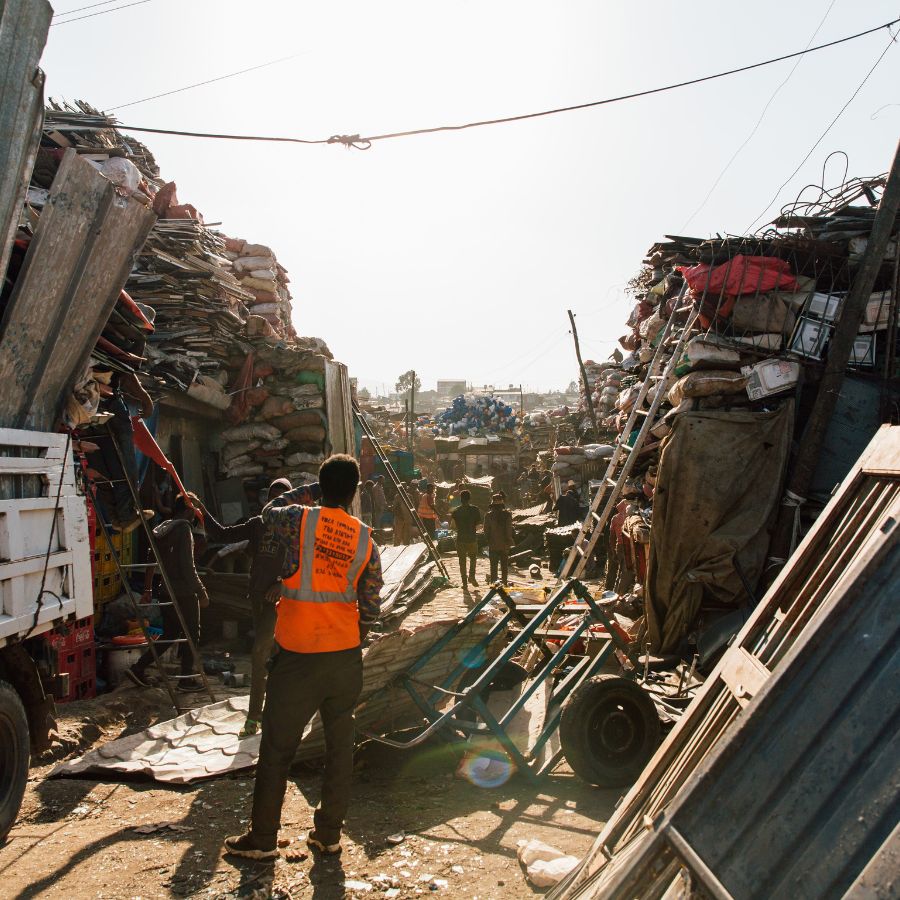
Every piece of metal that ends up in a recycling bin instead of a landfill contributes more to the planet than most people realize. As global carbon emissions continue to rise, industries and individuals are searching for effective ways to combat climate change. One often overlooked method is scrap metal recycling — a sustainable practice that not only conserves natural resources but also significantly reduces greenhouse gas emissions.
So, can scrap metal recycling really help lower carbon emissions? Let’s explore how recycling metal contributes to a cleaner, greener world.
Understanding Scrap Metal Recycling
What Is Scrap Metal Recycling?
Scrap metal recycling involves collecting and processing used metal items—such as car parts, appliances, construction materials, and industrial waste—so they can be reused to create new products. Unlike plastics or paper, metals can be recycled endlessly without losing their strength or quality, making them one of the most sustainable materials available.
Common recyclable metals include aluminum, steel, copper, iron, and brass. Each type of metal follows a slightly different recycling process, but they all share one goal: minimizing waste and reducing energy use.
The Scrap Metal Recycling Process
The recycling process begins with collection and sorting, where metals are separated based on type and purity. Next comes shredding, which breaks large pieces into smaller fragments for easier melting. The metals are then melted and refined in furnaces to remove impurities. Finally, the purified metal is re-manufactured into sheets, rods, or components that can be used again in various industries.
Compared to mining new metal ore, recycling uses far less energy and emits significantly fewer pollutants. For instance, recycling aluminum consumes only about 5% of the energy required for producing it from raw bauxite ore.
The Connection Between Metal Production and Carbon Emissions
The Carbon Footprint of Metal Mining and Manufacturing
Traditional metal production is a highly energy-intensive process. Mining operations consume vast amounts of electricity, fuel, and water, while smelting emits large quantities of carbon dioxide (CO₂) and other harmful gases.
For example, producing a single ton of new steel can release nearly 1.85 tons of CO₂, while aluminum production is even more carbon-heavy due to the energy required to extract it from ore. When multiplied by global demand, these numbers contribute significantly to industrial carbon emissions.
How Recycling Disrupts This Cycle
Scrap metal recycling breaks this cycle by reducing the need for mining and smelting. Recycling metals like aluminum saves up to 95% of energy, and steel saves around 60–70% compared to manufacturing from raw materials.
This reduction in energy directly translates to fewer fossil fuels burned and lower CO₂ emissions. By relying on existing metal resources, we not only conserve natural reserves but also cut down the carbon output associated with new metal production.
The Environmental Impact: Quantifying the Carbon Reduction
Global Emission Reductions Through Metal Recycling
Recycling initiatives around the world have prevented millions of tons of CO₂ from entering the atmosphere. According to global estimates, metal recycling reduces greenhouse gas emissions by over 300 million tons each year.
For instance, recycling 1 ton of aluminum prevents nearly 9 tons of CO₂ emissions, while 1 ton of recycled steel saves approximately 1.8 tons of emissions. These numbers highlight just how impactful the recycling industry is in combating climate change.
Indirect Environmental Benefits
Beyond carbon reduction, scrap metal recycling has several indirect benefits:
-
Reduced landfill use, leading to less methane production.
-
Lower energy consumption in manufacturing and transportation.
-
Conservation of ecosystems, since less land is disturbed for mining activities.
Collectively, these outcomes enhance biodiversity and create a more balanced ecological footprint.
Economic and Social Advantages of Scrap Metal Recycling
Economic Value
Scrap metal recycling is not just environmentally friendly — it’s economically beneficial too. Recycling lowers production costs for manufacturers and contributes billions of dollars to the global economy. Recycled materials are cheaper to produce, allowing industries to save money while reducing environmental harm.
Furthermore, recycling creates thousands of jobs in collection, processing, logistics, and metal recovery, supporting both local and national economies.
Community and Corporate Benefits
Many businesses are now integrating recycling into their sustainability strategies. Using recycled metal helps companies reduce their carbon footprints and meet ESG (Environmental, Social, and Governance) goals.
For individuals, selling scrap metal offers financial rewards while contributing to a larger environmental cause. Governments in many countries also offer incentives or tax credits for recycling activities, encouraging participation at every level of society.
Barriers to Maximizing Carbon Reduction Through Recycling
Collection and Sorting Challenges
Despite its benefits, scrap metal recycling faces challenges such as contamination and poor sorting infrastructure. Impurities in metal waste can lower the quality of recycled products, making the process less efficient and more expensive.
Awareness and Policy Gaps
Public awareness remains another barrier. Many people still view metal waste as trash rather than a valuable resource. Governments and industries must work together to improve recycling programs, enforce regulations, and educate citizens on the environmental benefits of recycling metals.
Future Innovations in Scrap Metal Recycling
Technological Advancements
The future of metal recycling looks promising with new technologies like AI-powered sorting systems, automated recovery units, and electric arc furnaces that run on renewable energy. These innovations enhance efficiency, reduce contamination, and lower operational emissions.
Circular Economy and Net-Zero Goals
Scrap metal recycling plays a central role in the circular economy, where materials are reused continuously to minimize waste. It also supports global net-zero emissions targets, providing a sustainable path for industries to reduce carbon intensity while maintaining growth.
How Individuals Can Make an Impact
Recycling at the Household Level
Small efforts at home can collectively create massive change. Start by separating metal waste — such as cans, wires, and old tools — from general garbage. Check with your local recycling center to find drop-off locations or collection services that accept metal waste.
Supporting Green Businesses
Opt for products made from recycled materials and work with companies that prioritize sustainability. Every purchase you make sends a message to industries about the importance of eco-conscious production.
Conclusion: Small Actions, Global Impact
Scrap metal recycling is more than a waste management practice — it’s a crucial tool in the fight against climate change. By reducing the need for raw material extraction and cutting down on energy use, recycling plays a powerful role in lowering carbon emissions globally.
From households to large industries, every effort counts. Choosing to recycle metal today ensures a cleaner, more sustainable world for generations to come.
Frequently Asked Questions (FAQs)
Q1. How much carbon can be saved by recycling metal compared to producing new metal?
Recycling metals like aluminum saves up to 95% of the energy required for new production, preventing up to 9 tons of CO₂ emissions per ton of recycled material.
Q2. Does all scrap metal recycling result in carbon reduction?
Yes, though the amount varies by metal type and recycling process. The use of renewable energy in recycling further amplifies carbon reduction benefits.
Q3. How does metal recycling contribute to climate change mitigation?
It cuts down on mining, reduces fossil fuel usage, conserves energy, and minimizes landfill waste — all key factors in reducing global carbon emissions.
Q4. Can small businesses or individuals make a difference by recycling scrap metal?
Absolutely. Recycling even small quantities of metal helps save energy, reduces landfill waste, and collectively makes a measurable environmental impact.
Q5. What are governments doing to promote metal recycling for carbon reduction?
Many governments now offer tax incentives, grants, and sustainability programs that encourage recycling and investment in green technologies.