
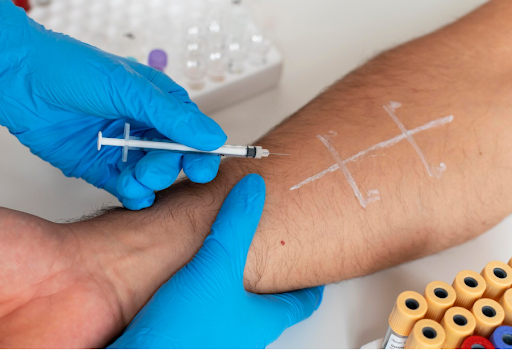
Vein selection is one of the most essential skills in phlebotomy. Choosing the right vein and approaching the procedure with confidence directly impacts patient comfort, safety, and the success of the blood draw. At the same time, many patients feel anxious or fearful during venepuncture, often due to previous negative experiences or a fear of needles. As a phlebotomist or healthcare learner, mastering both technical accuracy and patient communication is essential.
Whether you are new to phlebotomy or improving your technique, Cardiff is one of the best cities to develop essential clinical skills. Many learners choose a Hands-On Phlebotomy Course in Cardiff to gain practical experience, understand proper vein selection, and build confidence in real clinical environments. These structured learning experiences allow you to practise safely under supervision while developing a patient-centred approach.
Why Vein Selection Matters
Correct vein selection reduces the risk of complications, improves first-attempt success rates, and helps ensure a positive patient experience. When a practitioner struggles to locate an appropriate vein, the procedure can become uncomfortable, more time-consuming, and potentially unsafe.
Good vein selection offers several benefits:
- Reduced chance of haematoma
- Lower risk of nerve irritation or accidental arterial puncture
- Shorter procedure time
- Increased patient trust and satisfaction
- Improved confidence for both practitioner and patient
The more accurately you select a vein, the smoother and safer the procedure becomes.
Understanding the Anatomy of Common Veins
Before approaching a patient, you must be familiar with the most suitable veins for venepuncture. Each vein has different characteristics, advantages, and potential challenges.
Common veins used in phlebotomy include:
Median Cubital Vein
- Often, the first choice
- Large, stable, and located centrally in the antecubital fossa
- Less painful for most patients
Cephalic Vein
- Runs along the thumb side of the arm
- Good alternative when the median cubital is not accessible
- Often prominent but may roll slightly
Basilic Vein
- Located on the inner arm
- Acceptable for experienced practitioners
- Must be approached carefully due to proximity to nerves and arteries
Understanding vein depth, direction, and stability helps you choose the safest option.
How to Locate the Best Vein Quickly
Finding the right vein is easier when you use a structured and consistent approach. The goal is to assess the arm thoroughly while keeping the patient comfortable.
Steps to improve your vein-finding technique:
- Warm the area: A warm compress encourages vasodilation, making veins more visible and palpable.
- Use proper tourniquet positioning: Place it 7–10 cm above the puncture site, ensuring it is snug but not painful.
- Rely on touch, not sight alone: A good vein should feel soft, bouncy, and resilient under your fingertips.
- Ask the patient to make a fist: This tightens the muscles, enhancing vein visibility.
- Avoid areas with bruising, swelling, or infection: These can interfere with accuracy and patient safety.
Learners often develop these skills more effectively through supervised practice found in a Hands-On Phlebotomy Course in Cardiff, as it helps them gain real-world experience while receiving immediate feedback.
Mastering Patient Communication to Reduce Anxiety
Even the most skilled phlebotomist may cause distress if communication is unclear or rushed. Anxiety is common, especially among patients with needle phobia or previous negative experiences. A calm, reassuring manner helps reduce tension, stabilise the arm, and improve cooperation.
Effective ways to support anxious patients:
- Introduce yourself clearly: A warm, friendly greeting builds trust quickly.
- Explain the procedure in simple terms: Patients feel safer when they understand what to expect.
- Use confidence-building body language: Maintain eye contact and avoid appearing rushed.
- Offer reassurance: Acknowledge their feelings and remind them that the process is quick and safe.
- Use distractions if helpful: Talking about unrelated topics can divert attention and reduce fear.
- Ask the patient to breathe deeply: Slow breathing lowers anxiety and helps the body relax.
Your tone, posture, and attitude influence how comfortable the patient feels.
Balancing Technique with Compassion
A successful venepuncture is not just about technical skills; it is a combination of precision and empathy. Patients remember how you make them feel. A supportive, confident, and skilled practitioner can transform a stressful experience into a positive one.
To strike the right balance, remember:
- Stay calm, even if the patient is distressed
- Never rush vein selection
- Double-check your chosen site before inserting the needle
- Ensure good lighting and comfortable positioning
- Keep communication open throughout the procedure
When your technique is consistent and your communication is patient-centred, anxiety naturally reduces.
How Practice Builds Confidence
Repetition is key to mastering vein selection. The more arms you assess, the quicker you’ll recognise differences in vein size, depth, and elasticity. Simulation practice helps, but real patient experience is crucial for developing confidence.
Training programmes in Cardiff offer a structured route for learners to gain hands-on exposure, sharpen technical judgment, and build a professional approach. Over time, practice leads to instinctive decision-making and smoother procedures.
Conclusion
Mastering vein selection and reducing patient anxiety are essential skills for anyone working in phlebotomy. With a combination of proper anatomical knowledge, hands-on practice, and strong communication skills, you can significantly improve your success rate and deliver a more positive patient experience. Cardiff provides an excellent environment for learners to grow, primarily through practical, supervised training that builds both competence and confidence. Consistency, empathy, and structured learning are the keys to becoming a safe, efficient, and reassuring phlebotomy practitioner.
FAQs
1. What is the best vein to use for beginners?
The median cubital vein is usually the best choice because it is large, stable, and generally less painful.
2. How can I improve my ability to feel veins?
Regular practice, gentle palpation, and warming the area can make veins more straightforward to locate.
3. How do I calm a nervous patient?
Explain the process clearly, use a friendly tone, and encourage deep breathing to reduce anxiety.
4. Why do some veins roll?
Some veins are loosely anchored and can move under pressure. Proper anchoring reduces this issue.
5. Do courses help improve confidence?
Yes. Hands-on training helps learners practise in a supportive environment with expert guidance.