
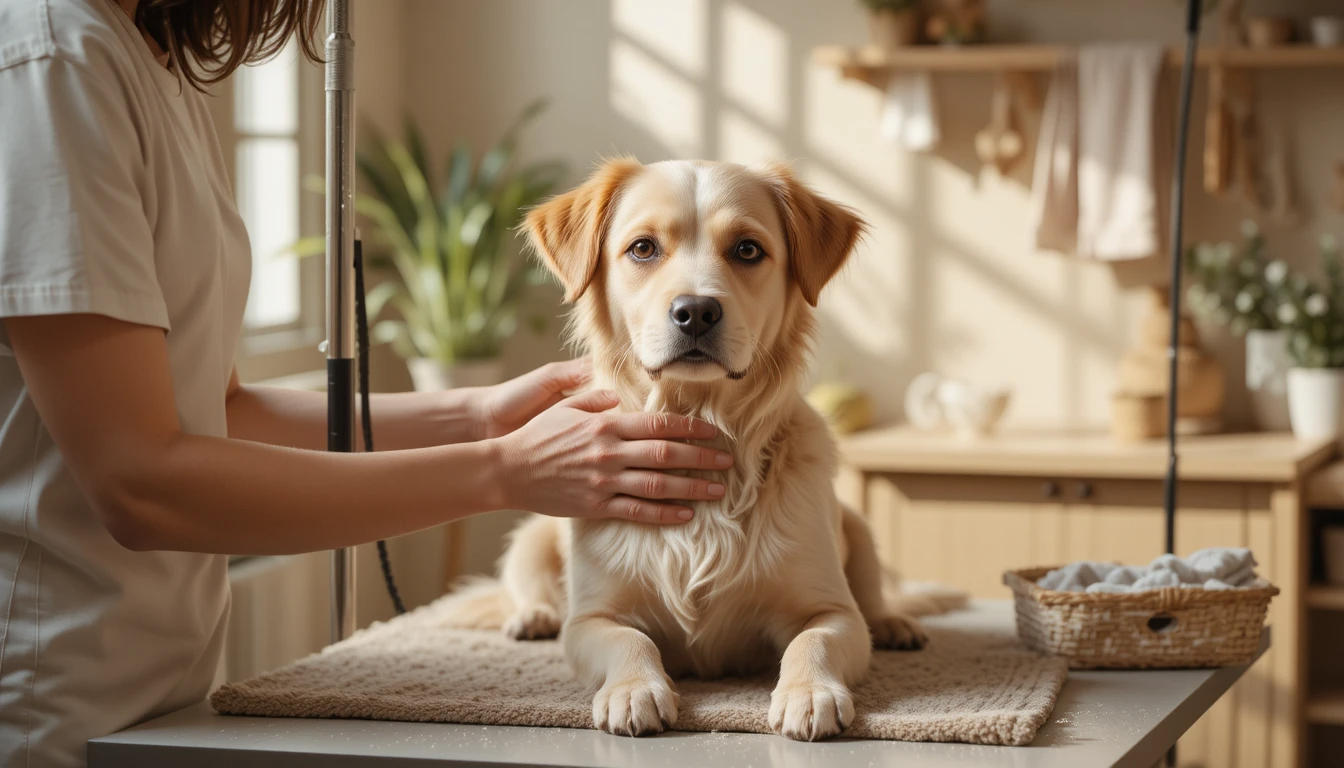
When you set out on a journey of pet grooming in Dubai, especially for a companion who’s already showing signs of nerves, it’s easy to feel overwhelmed. I’ve been there — as a pet owner and grooming coach, I’ve learned that helping an anxious pet feel safe and calm can transform the experience from stressful to smooth. In this post I’ll walk you through how to create a stress-free grooming routine tailored specifically for anxious pets, with practical steps you can apply right away.
Understanding Why Pets Become Anxious During Grooming
When we think of grooming our pet, we often imagine a quick brush or bath and then done. But for many animals the process can trigger stress, fear, or even defensive behaviours. Recognizing why a pet becomes anxious during grooming is the first step to reducing that tension.
Common Triggers That Cause Anxiety
There are numerous triggers that can set off a grooming-related anxiety reaction: unfamiliar environments; tools that zap, tickle or pull; past bad experiences; or simply feeling restrained. These all can tip a pet’s comfort into discomfort.
Signs Your Pet Is Stressed Before and During Grooming
Knowing what to look for is key. Watch for panting, trembling, pinned ears, tail tucked, avoidance of your hand, or even aggressive responses. These signs tell you the grooming process is pushing their stress threshold — and that’s your cue to adjust.
Preparing Your Pet for a Calm Grooming Experience
The difference between a fraught grooming session and a calm one often comes down to preparation. You’re setting the stage for success.
Creating a Peaceful Environment at Home
Choose a quiet, familiar room in your house with minimal distractions. Make sure the floor isn’t slippery, the lighting is soft, and the temperature is comfortable. Play soft music if your pet responds well to it. Having familiar toys or a favourite blanket nearby helps reinforce safety.
Pre-Grooming Habits That Lower Stress
Before you even bring out the brush, spend five minutes interacting with your pet at their level. Offer gentle petting, praise, maybe a treat. Let them sniff the grooming tools and reward calm curiosity. These small habits signal that grooming isn’t scary—it’s part of their safe routine.
Gentle Grooming Techniques for Anxious Pets
When the moment arrives, you’ll want to move through the grooming steps with intention and sensitivity.
Step-by-Step Brushing Techniques for Sensitive Pets
Start slow. Use a soft bristle or rubber grooming brush. Begin at less sensitive areas like the back or shoulders. Brush in the direction of hair growth with gentle strokes. Pause if your pet tenses up. Offer a treat or a little praise. Take breaks. Over time these micro-sessions build trust.
Handling Difficult Areas Without Stress
Legs, belly, ears or tails might be tricky. Approach these spots last and only when your pet is comfortable with the earlier steps. Use your free hand to soothe the area while brushing slowly. If grooming the ears or paws causes hesitation, stop, comfort them, resume only when calm again. Breaking the session into mini-goals helps the pet feel in control.
Tools and Products That Help Create a Stress-Free Grooming Routine
Choosing the right tools is as important as the technique. For a truly calm grooming session you’ll want tools and products that support the process.
Tools for Gentle Brushing and Detangling
Look for brushes and combs designed for sensitive coats: soft bristles, ergonomic handles (which help you move steadily), detangling combs with smooth teeth. Avoid tools that pull or tug because those cause anxiety. Regularly cleaning and maintaining your tools also avoids surprise discomfort.
Calming Aids for Grooming Sessions
There are calming sprays infused with lavender or chamomile (for pets that respond well), mats with gentle textures, and grooming gloves. Some pets respond to pet-safe pheromone diffusers or calming treats (you’ll want to check with your veterinarian). These aids create a more relaxed grooming frame for the pet.
Training Techniques to Build Confidence Over Time
Grooming isn’t just physical—it’s psychological. When you train your pet gradually, you build confidence, and that makes every grooming session smoother for both of you.
Using Positive Reinforcement to Encourage Cooperation
Whenever your pet shows calm behaviour in or around grooming, reward them. A clicker, a small treat, or verbal praise—those cues tell the pet “this is okay”. Pair the grooming tool exposure with rewards, so your pet starts to see the tools as part of a positive routine rather than something to feel anxious about.
Short, Gradual Sessions to Reduce Fear
Instead of scheduling one long grooming session, break it down. Five minutes today, maybe ten tomorrow. Focus on one area at a time. Expand when your pet shows comfort. Consistency is more valuable than speed. Over weeks you’ll find your pet leaning into the routine rather than resisting it.
When to Seek Professional Grooming or Behavioral Help
There’s a point when DIY grooming—and training—reach their limits. It’s wise to recognise when your pet would benefit from a professional’s touch.
Signs Your Pet Needs a Professional Groomer
If your pet shows consistent aggression, panic, or avoidance, or if grooming at home becomes unsafe, consider booking a session with a professional who specializes in anxious pets. These specialists are familiar with skittish behaviours and have equipment and techniques tailored for them.
When Anxiety Indicates a Deeper Behavioral Issue
If your pet’s grooming anxiety is part of a broader pattern—avoidance of other handling, fear of being approached or fearful reactions in other settings—then consulting an animal behaviour expert or veterinarian is a smart move. The underlying issue might be more than grooming alone.
Final Tips for Building a Lifelong Stress-Free Grooming Routine
Your goal is to turn grooming from a chore into a calm, even bonding experience for you and your pet. Keep sessions consistent but gentle. Keep the experience positive. Start early, be patient, and adapt to your pet’s pace. With time you’ll discover that grooming isn’t something your pet dreads — it becomes a moment they tolerate, maybe even enjoy.
And remember: when you’re ready to give your pet a professional-friendly session, consider services like pet grooming that respect your pet’s comfort and anxiety levels. The right partner makes all the difference.