
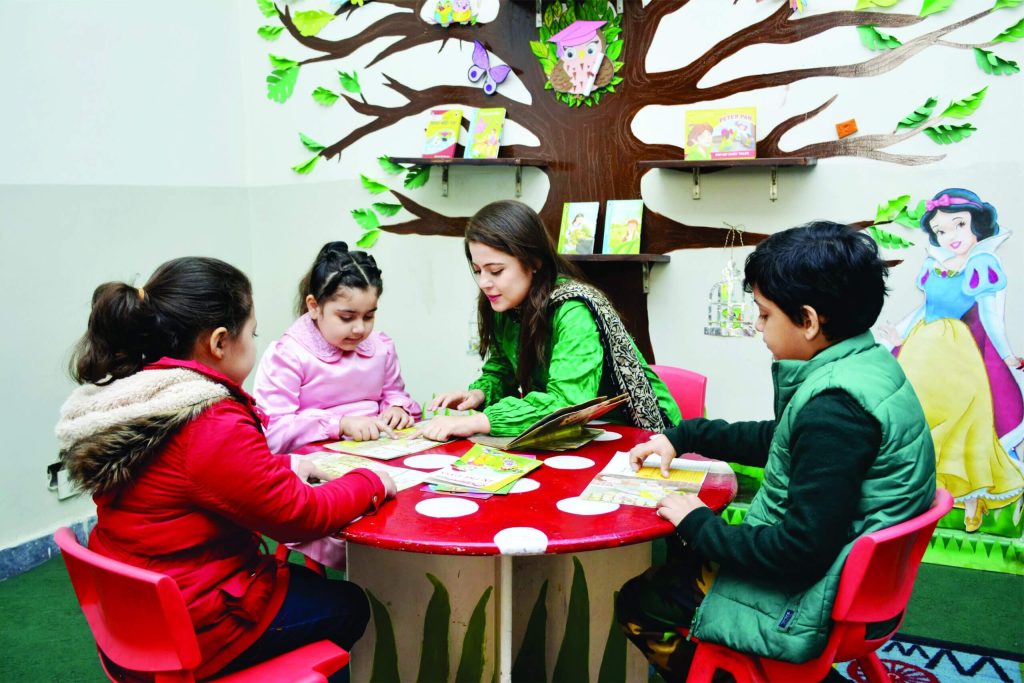
Children at an early age are curious, energetic, and eager to explore the world around them. Schools play a crucial role in shaping these experiences, and the way lessons are designed can determine whether children develop a love for learning or see it as a task. By understanding their needs and adapting methods accordingly, schools can create a positive and stimulating environment that can significantly influence their learning experience.
Here are ten ways schools can make learning more engaging for young children.
Interactive Learning Activities
Hands-on activities help children understand concepts better than passive listening. When they participate in experiments, art projects, or interactive storytelling, they are more likely to remember what they learn. For example, a kindergarten school in Lahore can incorporate simple science experiments or sensory activities into daily lessons. It allows children to touch, see, and manipulate objects, which enhances comprehension and retention. Moreover, interactive learning also encourages children to ask questions and explore ideas, fostering curiosity.
Use of Visual Aids and Storytelling
Children respond very well to visual stimuli. Pictures, charts, videos, and colorful materials can make abstract ideas easier to grasp. Storytelling is another effective method as it connects information with emotions and imagination. Teachers can narrate stories related to a lesson or use animated videos to explain topics. It can make lessons memorable and captivating.
Incorporating Play into Lessons
Play is essential for young learners as it helps them develop social, emotional, and cognitive skills. Schools can introduce educational games that reinforce concepts in math, language, or science. Structured play, such as building blocks for counting or role-playing for understanding social situations, transforms learning into a fun experience. Even outdoor play can integrate learning through nature walks or scavenger hunts. It ensures that children are not just passive recipients of knowledge but active participants, building both competence and confidence simultaneously.
Encouraging Group Work and Collaboration
Children learn valuable skills when they work in groups. Group activities teach cooperation, sharing, and communication, and enhance problem-solving abilities. Teachers can design tasks where small teams collaborate on projects, like creating a classroom mural or solving a puzzle together. Such experiences teach children to listen to others, express their ideas clearly, and respect different viewpoints. It also creates a sense of community, making children feel included and valued.
Integrating Technology Thoughtfully
When used effectively, technology can make learning both exciting and accessible. Interactive tablets, educational apps, and digital storytelling tools can enhance lessons and cater to various learning paces. For example, children can explore interactive phonics programs or virtual science simulations that demonstrate concepts in real-time. This approach allows teachers to customize learning experiences and give instant feedback.
Connecting Learning to Real-Life Experiences
Children understand and retain knowledge better when lessons relate to their everyday lives. Teachers can design activities that incorporate real-life experiences, such as visiting a local market to learn counting, measuring, or social interaction skills. Cooking simple recipes, planting a garden, or observing weather patterns are practical ways to link classroom learning to the outside world. Real-life connections make lessons tangible and relatable, helping children understand the purpose behind what they are learning.
Providing a Safe and Stimulating Environment
The physical and emotional environment of a classroom greatly impacts children’s engagement. Classrooms should be bright, colorful, and organized with accessible learning materials. Safe spaces allow children to explore without fear of injury or judgment, fostering confidence. Comfortable seating, clear pathways, and zones for different activities encourage movement and independence. Emotional safety is equally important, so teachers must create a supportive atmosphere where children feel valued and understood. It reduces anxiety and distractions, enabling children to focus on learning.
Encouraging Curiosity Through Questions and Exploration
Children are naturally curious, and schools can nurture this by encouraging questioning and exploration. Teachers should allow children to ask questions, test ideas, and make predictions. Inquiry-based learning promotes critical thinking, creativity, and problem-solving. For example, a lesson about animals can include a mini-research activity where children discover facts, observe pictures, and present findings.
Personalized Learning Approaches
Every child learns differently, and schools can engage students by tailoring lessons to individual needs. Some children grasp concepts visually, while others prefer hands-on or auditory learning. Teachers can adjust activities to accommodate these differences, offering extra support or challenges as needed.
Seasonal Programs and Extracurricular Learning
Learning does not have to be confined to the classroom or standard curriculum. Schools can organize seasonal programs and themed events that combine education with fun. For example, a summer camp for kids in Lahore can provide children with opportunities to explore new skills, socialize, and engage in physical activities that support learning in subtle ways. It keeps children interested, provides variety, and allows them to apply classroom knowledge in practical, enjoyable settings.
Key Takeaway
Engaging young children in learning requires creativity, flexibility, and a deep understanding of their developmental needs. By combining academics with fun activities, schools can create a rich and stimulating educational experience. It not only enhances academic skills but also supports emotional and social development, ensuring that children develop a lifelong love for learning.