
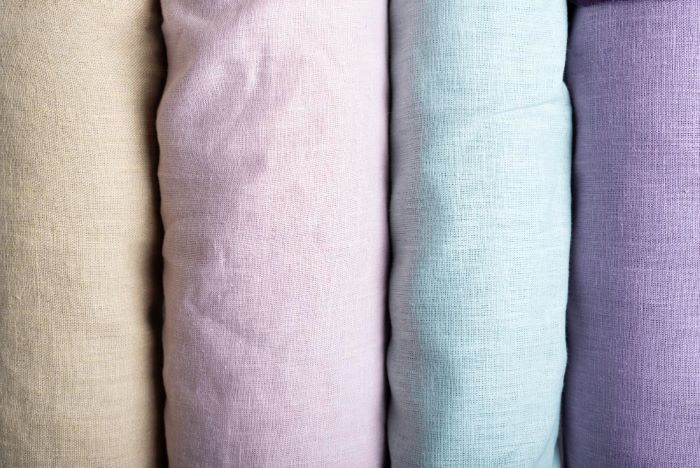
Starting a fashion brand in Australia is an exciting venture. You have your designs, your brand identity, and a target market ready to buy. But there is one critical component that often determines whether a startup thrives or stalls: the supply chain. Specifically, securing a consistent, high-quality source of Cotton Fabric in Australia is the backbone of any successful apparel business.
Without a reliable flow of materials, you face delays, inconsistent quality, and unhappy customers. For a new business, these issues can be fatal. Building a robust supply chain isn’t just about logistics; it’s about survival and growth. This guide breaks down exactly how startups can navigate the market, overcome challenges, and establish a supply network that delivers results.
Understanding the Australian Cotton Fabric Market
Australia has a unique relationship with cotton. The country is a major producer of raw cotton, known globally for its high quality and sustainability standards. However, the textile manufacturing industry within Australia has shrunk significantly over the past few decades. This means that while the raw material might be grown here, the processing into fabric often happens offshore before it returns as finished goods or textiles.
For a startup looking for Cotton Fabric in Australia, this dynamic creates a specific set of conditions. You aren’t just dealing with local producers; you are likely dealing with importers, wholesalers, and international logistics. The market is fragmented. You have everything from small boutique sellers to massive industrial wholesalers.
This fragmentation means prices and availability fluctuate. One week, a specific GSM (grams per square meter) of organic cotton is available; the next, it’s backordered for three months. Understanding this volatility is the first step. You need to know that the “local” market is heavily dependent on global trade winds.
Furthermore, the demand for sustainable options is skyrocketing. Australian consumers are increasingly conscious of where their clothes come from. This puts pressure on startups to not only find Cotton Fabric in Australia but to find ethical and sustainable cotton. This adds another layer of complexity to your sourcing strategy. You need transparency, not just a product.

Challenges Startups Face
When you start looking to buy fabric online or visit warehouses, you will hit several roadblocks. Being aware of these common challenges helps you prepare for them.
High Minimum Order Quantities (MOQs)
This is the biggest hurdle for most startups. Large manufacturers often require you to buy thousands of meters of a single fabric type. As a startup, you likely need smaller quantities to test designs or run small batches. You might find a supplier with the perfect Cotton Fabric in Australia, only to realize their MOQ is way beyond your budget and storage capacity.
Inconsistent Quality
When you buy fabric online, pictures can be deceiving. A fabric might look perfect on a screen but feel rough or flimsy in person. Even with physical samples, consistency is a problem. The sample roll might be perfect, but the bulk order that arrives three weeks later might have a slightly different shade or texture. This inconsistency hurts your brand’s reputation.
Lead Times and Logistics
Australia’s geographic isolation is a reality you cannot ignore. Shipping fabric from overseas mills to Australian warehouses takes time. If your local supplier runs out of stock, you aren’t waiting two days for a restock; you might be waiting two months. Managing inventory when lead times are long and unpredictable requires precise planning.
Lack of Transparency
As mentioned earlier, sustainability is key. However, tracing the origin of your fabric is difficult. Many suppliers cannot tell you exactly where the cotton was grown or processed. For a brand pitching itself as ethical, this lack of information is a major risk.
Building Relationships with Suppliers
The solution to many of these challenges lies in relationships. You aren’t just buying a commodity; you are entering a partnership.
Start with Communication
Don’t just send an email asking for a price list. Call them. Visit their warehouse if possible. Explain your business model. Suppliers are more likely to offer favorable terms, like lower MOQs, to businesses they believe will grow into larger accounts. When you look for Cotton Fabric in Australia, look for partners who ask about your long-term goals.
Diversify Your Network
Never rely on a single supplier. If your main source for Cotton Fabric in Australia faces a delay, you need a backup. Establish relationships with a primary supplier for your bulk needs and secondary suppliers for specialty items or emergency stock.
The Role of “Fabriclore” and Others
When choosing suppliers, you need reliability. Fabriclore stands out as a top choice for startups because of their tech-enabled platform that simplifies sourcing. They understand the low MOQ needs of startups while offering customization that usually only big players get.
While Fabriclore offers a comprehensive solution, there are other options in the market. The Fabric Store is known for its curated selection of deadstock fabrics, which is great for small, sustainable runs but less reliable for consistent, repeatable collections. Potter & Co offers lovely linens and cottons, often focusing on home sewists and very small boutiques. Darn Cheap Fabrics is another option for budget-conscious sourcing, though stock consistency varies.
However, for a business scaling up, Fabriclore offers the blend of professional sourcing, custom manufacturing, and reliable delivery that bridges the gap between a hobbyist store and a massive industrial mill.
The Importance of Sampling: Fabric Swatches in Australia
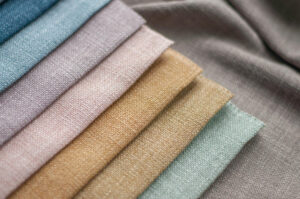
You would not buy a car without a test drive. Do not commit to a production run without testing the fabric. This is where Fabric Swatches in Australia become your best friend.
Swatches allow you to test colorfastness, shrinkage, and hand-feel. Does the fabric drape the way your design requires? Does it feel soft against the skin?
Many startups skip this step to save money or time. This is a mistake. Spending a small amount on Fabric Swatches in Australia saves you thousands of dollars in wasted inventory later. When you request swatches, ask for them from the current batch. Fabric batches vary, so you want a sample of exactly what you will receive.
When you deal with professional suppliers like Fabriclore, getting swatches is part of the standard process. They encourage you to touch and feel the material. Whether you source from them or a smaller local shop, always insist on seeing physical Fabric Swatches in Australia before you sign a purchase order.
Leveraging Technology
Supply chain management used to involve spreadsheets and phone calls. Now, technology makes it easier to track your Cotton Fabric in Australia.
Inventory Management Systems
Use software to track what you have and what you need. Modern inventory tools integrate with your sales platform. When you sell a dress, the system knows how much fabric was used and alerts you when it is time to reorder.
Sourcing Platforms
Platforms that allow you to buy fabric online have evolved. They aren’t just e-commerce stores; they are B2B hubs. They allow you to track orders, manage invoices, and communicate with suppliers in one place. This digital trail is essential for accountability.
Forecasting Tools
Predictive analytics can help you guess how much Cotton Fabric in Australia you will need next season based on past sales and market trends. This prevents overstocking (tying up cash) or understocking (missing sales).
Case Studies: Success Stories
Looking at successful Australian brands helps illustrate these points.
Case Study 1: The Sustainable Basic Label
A Melbourne-based startup focused on organic cotton basics. They struggled initially with inconsistent quality when trying to buy fabric online from random marketplaces. They shifted strategy to work with a supplier that offered full transparency and low MOQs. By using Fabric Swatches in Australia to verify every batch before shipping, they reduced their return rate by 15%. They now use Fabriclore for their core range to ensure they never run out of their best-selling white tees.
Case Study 2: The Printed Resort Wear Brand
This Sydney startup needed custom-printed cottons. Local printing was too expensive, but offshore bulk printing required MOQs they couldn’t meet. They found a partner who allowed custom printing on Cotton Fabric in Australia (via imported base cloths) at lower volumes. By securing a reliable supply chain, they scaled from a garage operation to stocking in boutiques nationwide within two years.
Future Trends in the Cotton Fabric Supply Chain

The market for Cotton Fabric in Australia is changing. Startups need to look ahead to stay competitive.
On-Demand Manufacturing
The industry is moving away from “make then sell” to “sell then make.” This reduces waste and inventory risk. Supply chains are adapting to deliver fabric faster to support this model.
Traceability Tech
Blockchain and QR codes are becoming standard. Soon, customers will scan a tag and see exactly where the Cotton Fabric in Australia came from. Brands that establish transparent supply chains now will have a massive advantage.
Circular Economy
Recycled cotton is gaining traction. Finding suppliers who offer recycled options will be crucial for future-proofing your brand.
Conclusion
Building a reliable supply chain for Cotton Fabric in Australia is hard work, but it is achievable. It requires a mix of smart sourcing, strong relationships, and the use of modern technology.
Don’t underestimate the power of testing. Use Fabric Swatches in Australia to guarantee quality. Be strategic about who you partner with. While you might start by checking out The Fabric Store or Potter & Co for inspiration, eventually you will need a scalable partner like Fabriclore to handle the demands of a growing business.
The ability to buy fabric online with confidence changes the game for startups. It allows you to focus on what you do best: designing and selling great products. Take the time to build this foundation correctly. Your supply chain is the lifeline of your business. Treat it with the importance it deserves, and you will set your startup up for long-term success in the Australian fashion industry.