
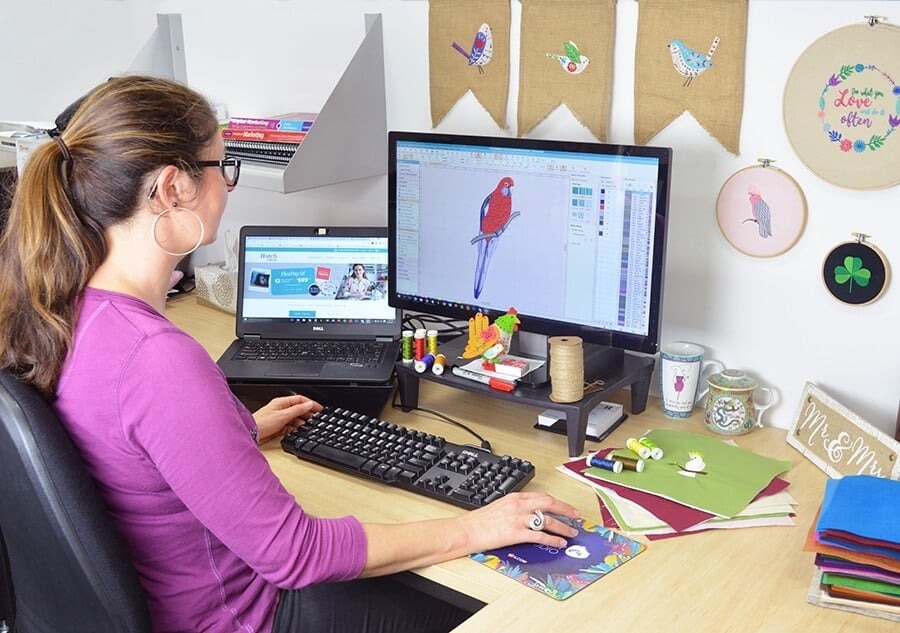
You see a crisp, clean embroidered logo on a hat or a beautifully detailed design on a jacket, and it’s easy to appreciate the final product. But behind every perfect stitch is an unsung hero: the embroidery digitizer. This isn’t just a technician who pushes buttons in software; it’s a skilled artist and a pragmatic problem-solver rolled into one. They are the architects of thread, translating digital images into intricate instructions that an embroidery machine can follow. If you’re looking to enter this niche field or seeking to understand what separates the good from the great, it all comes down to a specific set of capabilities. The best in the business, the truly exceptional digitizers for embroidery, possess a unique blend of technical and creative talents.
A Keen Eye for Design and Artistry
First and foremost, digitizing is an art form. A professional digitizer must have a strong innate sense of design and aesthetics. They aren’t just copying an image; they are re-interpreting it in a new medium. This requires an understanding of composition, color theory, and visual balance. They need to look at a complex logo and instinctively know how to simplify it without losing its soul, which elements to emphasize, and how the final stitched design will flow on the fabric. This artistic eye allows them to make judgment calls on stitch angles to create light and shadow, and to choose stitch types that will best represent the texture and feel of the original artwork. Without this foundational skill, a digitized file might be technically correct but visually flat or unappealing.
Mastery of Technical Software
This one might seem obvious, but it goes far beyond knowing how to open a program. Professional digitizers are masters of specialized software like Wilcom, Pulse, or Hatch. This isn’t like learning a new word processor. The software is complex, with a deep toolkit for creating and manipulating stitch types, plotting precise points, and sequencing thousands of commands. A skilled digitizer knows every shortcut, every hidden feature, and how to use the software with efficiency and precision. They understand the difference between punching in a design manually versus relying on auto-digitize functions, which often produce inferior results. Their expertise with the software is what turns their artistic vision into a functional, machine-readable reality.
A Deep Understanding of Fabrics and Textiles
A design that stitches perfectly on a stiff baseball cap will likely pucker and distort on a stretchy polo shirt. This is where knowledge of textiles becomes non-negotiable. The best digitizers are like chefs who understand how their ingredients behave. They know how a dense fill stitch will react on a thick canvas versus a delicate twill. They anticipate how knit fabrics will stretch and how woven fabrics will remain rigid. This knowledge directly influences their digitizing decisions, from the type and density of the underlay they use to stabilize the material, to the overall stitch density and pull compensation settings. A true professional always asks, “What is this being stitched on?” before they even begin.
Meticulous Attention to Detail
Precision is the name of the game in embroidery digitizing. We are talking about adjustments that are fractions of a millimeter. A professional digitizer must have an almost obsessive attention to detail. They meticulously plot stitch points, check for overlapping elements that could cause thread breaks, and ensure that trim commands are placed perfectly. They scrutinize the stitch path to minimize jumps and trims, creating a more efficient and cleaner-running design. This meticulous nature extends to proofing the digital file on screen, looking for any tiny errors that could lead to big problems once the needle starts moving. This careful, methodical approach is what prevents costly mistakes and wasted materials.
Practical Problem-Solving Skills
Not every logo is born to be easily stitched. Clients will often present designs with tiny text, complex gradients, or impossibly thin lines. This is where a digitizer’s problem-solving skills shine. They need to creatively find solutions that honor the original design while working within the physical limits of thread and fabric. This might involve suggesting subtle modifications to a client, like simplifying a gradient into clean color blocks or slightly thickening a line to make it stitchable. They troubleshoot issues in existing files, figuring out why a design is puckering or why threads keep breaking. This ability to diagnose, adapt, and innovate is what separates a service provider from a trusted consultant.
Patience and a Commitment to Quality Control
Digitizing is rarely a quick process. A complex design can take hours to digitize correctly. This demands immense patience. A rushed job is almost always a bad job. Furthermore, a professional digitizer never considers a file finished after the initial digital draft. They are committed to a rigorous quality control process that always includes a physical sew-out. They stitch the design on a similar fabric to the final product and then critically analyze the result. Is it puckering? Are the colors blending correctly? Is the detail clear? They use this real-world feedback to go back into the software and make fine-tuning adjustments, a process they may repeat until the design is perfect. This patience and dedication to iteration is the hallmark of a true professional.
The Final Stitch
Being a professional embroidery digitizer is about much more than operating computers and machines. It is a specialized craft that sits at the intersection of art, science, and practical engineering. The most sought-after professionals are those who combine their creative flair with technical mastery, their knowledge of materials with a problem-solving mindset, and their precision with unwavering patience. They understand that their work is the critical link between a client’s brand identity and a tangible, high-quality product that people will wear and see for years to come. It’s a career built on a unique set of skills that, when woven together, create something truly exceptional.