
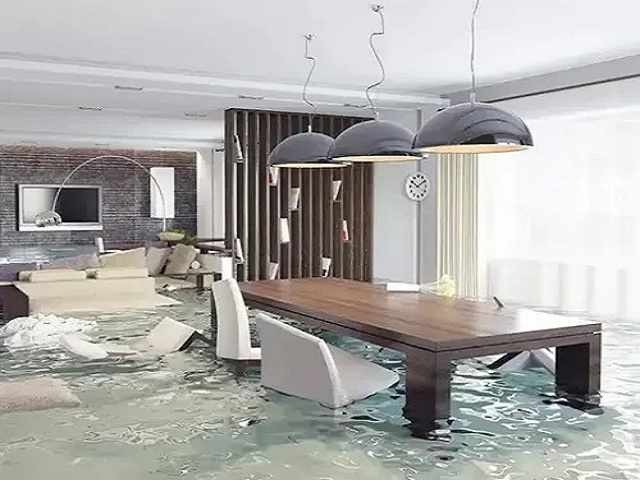
A basement flood can be overwhelming, causing stress, property damage, and potential health risks. Knowing what to do immediately after a basement flood is critical to minimize damage and prevent long-term issues. If you are dealing with a basement flood Vaughan or a basement flood Montreal, acting quickly and effectively can save both your belongings and your home structure. At Ideal Response, we recommend following a systematic approach to address the aftermath of a flood.
How Can You Ensure Personal Safety After a Basement Flood?
Before anything else, your safety must come first. Floodwaters can hide dangerous debris, chemicals, or electrical hazards. Here are key safety steps:
- Avoid Entering Standing Water – Floodwater may be contaminated with sewage, chemicals, or sharp objects. Only enter the basement if it is safe and the power is turned off.
- Turn Off Electricity and Gas – Electrical outlets or appliances submerged in water can cause electrocution. Shut off electricity at the main breaker and ensure gas lines are secure.
- Wear Protective Gear – Waterproof boots, gloves, and a face mask can protect against contaminants and mold spores.
By prioritizing safety, you protect yourself from injury or long-term health issues, setting the stage for a successful cleanup.
What Should You Do About Water Removal?
Once personal safety is ensured, the next step is removing the water. The speed and method of water removal significantly affect damage control.
- Use a Pump or Wet/Dry Vacuum – For significant flooding, a submersible pump is ideal. Smaller floods may be managed with a wet/dry vacuum.
- Remove Water Gradually – Do not pump out all the water at once if your basement is built below the water table. Rapid removal can cause structural damage.
- Create Drainage Paths – Open basement windows or doors to facilitate drainage and air circulation.
Professional services, like those at Ideal Response, often deploy industrial-grade pumps and water extraction equipment, ensuring faster and more thorough removal.
How Should You Handle Damaged Items?
After removing water, assess and handle damaged belongings carefully:
- Separate Salvageable from Non-Salvageable Items – Wet furniture, carpets, and boxes need immediate attention. Items soaked in contaminated water may need to be discarded.
- Dry or Freeze Valuables – Important documents, photos, or electronics can sometimes be dried or frozen to prevent further deterioration.
- Prevent Mold Growth – Mold can develop within 24–48 hours. Use fans, dehumidifiers, and sunlight to dry the area as quickly as possible.
Effective handling of damaged items can significantly reduce the long-term financial and emotional impact of a basement flood Vaughan or a basement flood Montreal.
Why Is Cleaning and Disinfection Critical After a Flood?
Floodwater often carries bacteria, sewage, and chemicals, making cleaning and disinfection essential:
- Use Approved Cleaning Solutions – Disinfect with bleach-based or EPA-approved solutions. Avoid mixing chemicals that may produce toxic fumes.
- Scrub Affected Surfaces – Walls, floors, and furniture exposed to floodwater should be scrubbed thoroughly.
- Dispose of Contaminated Materials – Porous materials like drywall, insulation, and carpets that were soaked in floodwater are often unsalvageable and should be removed safely.
Disinfection protects your home environment from disease and prepares your basement for reconstruction or repairs.
How Can You Prevent Electrical and Structural Hazards?
A basement flood can compromise electrical systems and the structural integrity of your home:
- Inspect Electrical Systems – Hire a certified electrician to check wiring, outlets, and appliances affected by water.
- Check Structural Damage – Flooding can weaken foundations, walls, and support beams. Look for cracks, bowing, or unusual settling.
- Repair Promptly – Address structural and electrical issues immediately to prevent further damage and ensure safety.
Professional assessment ensures that your basement is safe and ready for restoration after a basement flood Vaughan or a basement flood Montreal.
How Do You Manage Insurance Claims After a Flood?
Documenting the damage is essential for insurance purposes:
- Take Photos and Videos – Capture all affected areas, including damaged items, walls, and flooring.
- Create an Inventory – List every damaged item, including approximate value and purchase date.
- Contact Your Insurance Provider – Report the flood promptly and provide all documentation.
Working with professionals like Ideal Response can help in providing detailed reports and cleanup records, which strengthen your insurance claim.
How Can You Prevent Future Basement Floods?
After recovery, it’s crucial to implement preventive measures to avoid future floods:
- Improve Drainage Systems – Ensure proper grading, install French drains, and maintain gutters to divert water away from your home.
- Install a Sump Pump – A reliable sump pump can protect your basement during heavy rainfall or plumbing failures.
- Seal Basement Walls – Waterproof coatings or sealants can reduce seepage and protect your foundation.
- Regular Maintenance – Inspect plumbing, sump pumps, and drainage systems periodically.
Taking preventive steps minimizes the risk of experiencing another basement flood Vaughan or a basement flood Montreal, saving you from repeated stress and financial loss.
When Should You Seek Professional Help?
Some situations require professional intervention:
- Floodwater exceeds a few inches and cannot be safely removed manually.
- Electrical or structural damage is suspected.
- Contaminated water from sewage or chemicals is present.
- Mold growth begins despite initial cleanup efforts.
Experts like Ideal Response provide immediate water extraction, disinfection, and restoration services, ensuring your basement is safe, dry, and ready for use.
Final Thoughts
Knowing what to do first after a basement flood can dramatically reduce damage, health risks, and restoration costs. Always prioritize personal safety, remove water efficiently, manage damaged items carefully, and disinfect thoroughly. Structural and electrical inspections, proper insurance documentation, and preventive measures are essential for long-term protection.
Whether you are dealing with a basement flood Vaughan or a basement flood Montreal, following these steps ensures a safer, faster, and more effective recovery. For professional guidance and restoration services, Ideal Response is a trusted partner to help homeowners restore their basements to safety and comfort.