
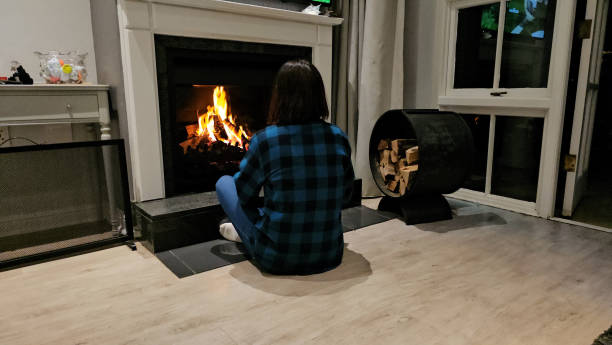
Many people think it’s no big deal to burn wood in a fireplace. However, ignoring Vancouver’s wood burning fireplace bylaw 1303 can lead to trouble fast. City officers check for this and can issue fines that start small but increase in severity if the rule is broken repeatedly.
Home insurance companies may not cover the cost of damage if a fire starts in a fireplace that isn’t permitted. That means fixing a burned home could cost a family a lot of money out of their own pocket. It’s not just about the rule—it’s also about staying safe and covered.
During the winter, the use of fireplaces increases. This is also when the city watches more closely. A fine might seem easy to pay at first, but if it continues to happen, the cost builds up quickly.
Health Effects and Vancouver’s Wood Burning Fireplace Bylaw 1303
Breathing in wood smoke can hurt people’s lungs. When someone uses a fireplace that isn’t allowed, the smoke doesn’t simply disappear. It moves outside and enters the air, where others inhale it. This is especially dangerous for kids, older adults, and anyone with asthma or heart problems.
Even when the smoke appears light, tiny particles in it can penetrate deeply into the lungs. These tiny particles can make it difficult to breathe, cause people to feel unwell, or even necessitate a trip to the doctor or hospital. The hidden cost here isn’t always money. It’s about health—and once someone falls ill, it can lead to further problems and increased costs later on.
Lower Property Value Over Time
Homes with rule-breaking fireplaces might not be as easy to sell. Buyers want houses that follow local laws. If a fireplace breaks Vancouver’s wood burning fireplace bylaw 1303, some buyers may lose interest right away. This means it could take longer to sell the house, or it might sell for less money.
Real estate agents often advise homeowners to repair fireplaces before listing their homes for sale. That could mean removing the fireplace, getting new parts, or paying for a full inspection. All of this costs money and takes time. No one wants a surprise like that when trying to sell their home. Staying up to date with rules can help avoid this problem.
Environmental Damage Has a Ripple Effect
Burning wood makes pollution that floats in the air. These tiny pieces can remain in place for a long time and cause harm even when they are invisible. They can enter lakes, rivers, and soil, and even harm animals and plants.
One home using a wood fireplace might not seem like a big deal. But when many homes do it, the air gets dirtier and nature suffers. It adds up faster than people realize. Not following the rules makes it harder for cities to meet their clean-air goals. Everyone has a role in keeping the planet healthy, even if it’s as simple as not burning wood the wrong way.
Neighborhood Complaints Can Lead to Investigations
Sometimes, a neighbor smells smoke and reports it to the city. That can lead to an inspection. Once someone complains, the city must verify that the fireplace complies with the rules. If it doesn’t, the homeowner may have to stop using it immediately.
This isn’t just about money. People may feel upset or embarrassed if their neighbors complain about them. Plus, the city might keep a close watch after that. More complaints can lead to tougher rules. One small fire today could lead to a visit from city officials tomorrow.
Missed Opportunities for Incentives and Rebates
Sometimes, the government provides financial incentives to people who replace old fireplaces with new, clean ones. These are called rebates. But if a house breaks the rules, it might not qualify for these rebates. Some programs give discounts for new heating systems. However, to secure those deals, the fireplace must be approved. When someone ignores the bylaw, they miss out on these chances to save money. Even if someone wants to upgrade later, they could be too late. These offers don’t last forever. Following the rules keeps doors open to better options.
Safety Risks Multiply When Bylaws Are Ignored
Fireplaces that aren’t kept clean or built right can be dangerous. Blocked chimneys can trap smoke and allow dangerous gases, such as carbon monoxide, to enter the home. Fires can also start if something goes wrong. Homes that do not follow Vancouver’s wood burning fireplace bylaw 1303 are often missing safety checks. Without regular inspections, problems can go unnoticed. That makes accidents more likely. Every time a fire is lit in an unsafe fireplace, the risk goes up. Staying safe means following the rules and having a properly functioning fireplace.
Local Regulations Are Evolving Constantly
What was acceptable five years ago may not be sufficient today. Cities continually update their rules to meet the evolving needs of health and safety. If a fireplace was built before the latest regulations, it may now violate the law. It is helpful to stay up to date by checking the city’s website or consulting with a certified expert. That way, people can make small fixes early on, rather than big ones later.
Here is how rule changes can affect a home:
| Regulation Update | Impact on Homeowners |
| Emission limits | May require appliance upgrades |
| Inspection rules | Increased monitoring and fines |
| Wood restrictions | Seasonal bans on use |
Not knowing the rules doesn’t protect anyone from them. It just adds more risk.
Taking Action Today Prevents Bigger Issues Tomorrow
People often think nothing bad will happen. However, ignoring Bylaw 1303 regarding wood-burning fireplaces can lead to real problems. These include health risks, city fines, and even legal trouble. Taking care of it now keeps families safer and homes protected. Fixing a fireplace or switching to a better system is much easier before a problem starts. It also shows that the homeowner cares about others around them. Red Seal Fireplace, Chimney & HVAC helps by offering inspections, upgrades, and clear advice. Their services adhere to the rules, helping homes stay warm and safe without any issues.